Anyone who has ever brought mithai home from a trip knows this feeling.
You buy a beautiful box of rasgulla, the shopkeeper packs it nicely, and for a few minutes everything feels perfect. Then the worry begins. Will the syrup leak? Will the lid stay shut? Will the box tilt inside the bag? Will your clothes smell like sugar syrup by the time you reach home?
That is exactly why dry rasgulla is such a useful sweet to know about.
It gives you that familiar chhena-based rasgulla taste, but without a container full of syrup. It is easier to carry, easier to serve, and much more comfortable to gift. You can pack it for a short trip without constantly checking whether the box is leaking.
But here is the important part: dry rasgulla is still a milk-based sweet. The word “dry” does not mean it can be kept anywhere for days without care. It still needs clean handling, proper storage, and some basic food-safety common sense.
Here is a simple guide to what dry rasgulla is, how it differs from regular rasgulla, how to check freshness, how to store it, and how to pack it safely for travel.
Quick Answer Summary
#- What is dry rasgulla? Dry rasgulla is a less syrupy version of rasgulla made from chhena, or fresh curd cheese. It is usually drained of extra syrup and may have a light sugar coating.
- Dry rasgulla vs rasgulla: Regular rasgulla is soft, juicy, and soaked in sugar syrup. Dry rasgulla is less wet, easier to handle, and better suited for gifting or travel.
- How to check freshness: It should smell mildly milky and sweet, feel soft and springy, and look clean. Avoid anything sour, slimy, moldy, discolored, or unusually hard.
- How to store dry rasgulla: Keep it in an airtight container. Refrigerate it if you are not eating it the same day.
- Travel packing: Use a sealed, sturdy container. Keep it away from heat, pressure, and strong-smelling foods.
- Food safety: Do not blindly trust vague “long shelf life” claims. Follow the seller’s date and storage instructions. If it smells, looks, or tastes wrong, throw it away.
What Is Dry Rasgulla?
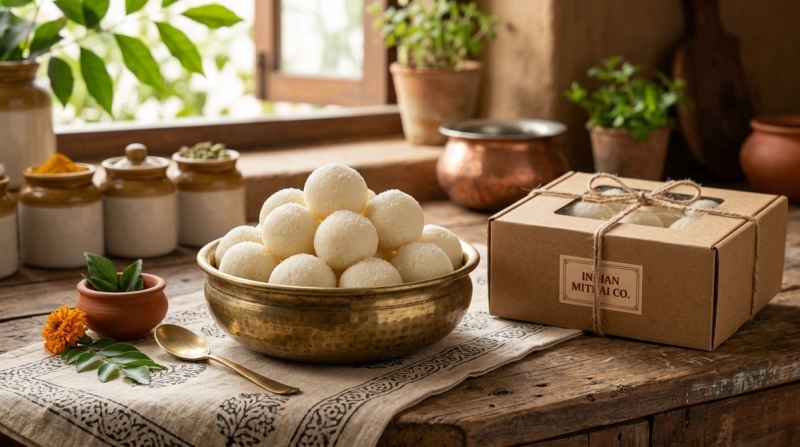
#Dry rasgulla is a version of rasgulla made from chhena, the soft milk curd used in many Bengali and eastern Indian sweets. Regular rasgulla is cooked and stored in sugar syrup. Dry rasgulla starts with the same basic idea, but most of the syrup is removed before it is packed or served.
Many dry rasgullas also have a thin coating of crystallized sugar. This gives the outside a slightly grainy, sweet texture. You may see them sold in jars, plastic boxes, gift packs, or regular mithai boxes at sweet shops.
The name can be a little misleading, though.
Dry rasgulla should not be dry like a biscuit. A good one still feels soft inside. The outside is less wet than regular rasgulla, but the center should be tender, spongy, and fresh.
You may also see it called Bengali dry rasgulla, especially when shops want to highlight the chhena-style preparation.
Dry Rasgulla vs Rasgulla: What’s the Difference?
#If you are buying mithai for travel, gifting, or storage, this is the main difference to understand.
Regular Syrup Rasgulla
#Traditional rasgulla is served in light sugar syrup. The syrup keeps the chhena balls soft, juicy, and plump. When it is fresh, it has that lovely spongy bite and releases sweet syrup as you eat it.
It is delicious, but not always convenient.
For travel, syrup rasgulla can be stressful. The container needs to seal properly. It can leak. It is heavier because of the syrup. And if you are flying, liquid-heavy sweets may sometimes create questions at airport security, especially in cabin baggage.
Dry Rasgulla
#Dry rasgulla is much easier to manage. The pieces are drained of extra syrup and often coated with sugar crystals. You still get the sweet, milky chhena taste, but without carrying a box full of liquid.
Dry rasgulla is easier to:
- Carry in a bag
- Serve without bowls and spoons
- Gift in jars or boxes
- Pack for short trips
- Share without making a mess
- Keep away from syrup leakage problems
The trade-off is texture. Since dry rasgulla is not sitting in syrup, it can dry out faster if you store it badly. It needs airtight storage and should not be left open for long.
So, in simple words, dry rasgulla vs rasgulla comes down to this: regular rasgulla is juicier, but dry rasgulla is neater, cleaner, and much easier to pack.
What Should Good Dry Rasgulla Taste Like?
#Good dry rasgulla should taste sweet, milky, and fresh. The sweetness should be pleasant, not stale or sharp. The chhena should have a soft dairy flavour, not a sour smell or fermented taste.
Texture is just as important as taste.
A fresh piece should feel light and slightly springy when you bite into it. The outside may be sugary, grainy, or a little tacky depending on how it was made. But the inside should not be chalky, rubbery, or hard.
A good dry rasgulla usually has:
- A soft, spongy center
- A mild milky aroma
- A sweet coating or lightly sticky surface
- A clean taste without sourness
- Enough moisture inside to feel fresh
If it tastes sour, bitter, fermented, or strangely sharp, stop eating it. With dairy sweets, your nose and tongue often give you the first warning.
Freshness Checks Before You Eat or Pack Dry Rasgulla
#Dry rasgulla is made from milk solids, so freshness really matters. Before serving it, packing it, or storing leftovers, take a minute to check it properly.
1. Smell It First
#Fresh dry rasgulla should smell mildly sweet and milky. It should not smell sour, stale, musty, or fermented.
If you open the box and something smells off, do not try to fix it by chilling it again. Dairy sweets are not worth taking chances with.
2. Check the Surface
#A little graininess is normal because of the sugar coating. A slightly sticky surface can also be normal.
What is not normal:
- Slimy coating
- Wet, mushy patches
- Fuzzy growth
- Green, pink, grey, or unusual discoloration
- A sour or unpleasant smell from the surface
If you see mold on even one piece, throw away the whole batch. Do not just remove the bad piece and keep the rest.
3. Press It Gently
#A fresh dry rasgulla should give slightly when pressed and bounce back a little. It should not collapse into mush. It also should not feel like a hard sugar ball.
If it is very hard, it may be old or dried out. If it feels slimy or breaks apart strangely, it may have spoiled.
4. Taste Only If It Looks and Smells Fine
#If the smell and appearance seem okay, taste a very small bit. It should taste sweet and milky.
If you notice sourness, bitterness, or a fermented flavour, discard it.
Do not keep eating just because it “looks fine.” Spoiled dairy can sometimes look normal in the early stages.
How to Store Dry Rasgulla Properly
#Good dry rasgulla storage is mostly about protecting it from air, heat, and too much moisture.
If you leave it open, it can become dry and hard. If it gets too warm, the dairy base can spoil. If condensation builds up, the texture can turn unpleasant.
Use an Airtight Container
#If your dry rasgulla came in a loose cardboard mithai box, transfer it to an airtight container once you reach home. Cardboard boxes are fine for carrying sweets from the shop, but they are not ideal for keeping mithai fresh in the fridge.
Use:
- A clean glass container with a tight lid
- A food-grade plastic box with locking clips
- The original sealed jar, if it closes properly
Avoid leaving dry rasgulla open in the fridge. Fridge air can make chhena sweets firm, dry, and stale faster.
Refrigerate If You Are Not Eating It Soon
#Since dry rasgulla is made from chhena, refrigeration is safer if you are not eating it the same day. Keep it in the main section of the fridge if possible, not on the door. The fridge door is opened often, so the temperature keeps changing.
Refrigeration slows spoilage, but it does not make the sweet last forever. If the pack has a best-before date or storage instruction, follow it.
Avoid Taking It In and Out Repeatedly
#Try not to keep moving the box in and out of the fridge. Repeated warming and cooling can create condensation, which affects both freshness and texture.
If guests are coming, take out only what you need. Keep the rest sealed and chilled.
Let It Sit Briefly Before Serving
#Cold chhena can feel firmer than it really is. If the dry rasgulla has been refrigerated, let it sit at room temperature for a short while before serving. It will taste softer and more natural.
Just do not leave it outside for too long, especially in hot weather.
Can You Store Dry Rasgulla at Room Temperature?
#For a short serving time, yes. Dry rasgulla can sit outside while you are serving it at home or carrying it during a short trip.
For longer storage, refrigeration is safer. It is still a milk-based sweet, even if it looks dry on the outside.
Room temperature storage depends on several things:
- How fresh it was when you bought it
- Whether it is homemade, shop-packed, or commercially sealed
- Weather and room temperature
- How cleanly it was handled
- Packaging quality
- Whether the pack has already been opened
This is why fixed shelf-life claims can be misleading. A sealed commercial jar may have printed storage instructions and a best-before date. A fresh mithai box from a local sweet shop may need to be eaten much sooner.
When in doubt, refrigerate it.
Rasgulla Travel Packing: How to Carry Dry Rasgulla Safely
#Dry rasgulla is one of the easier chhena sweets to travel with because it does not sit in a pool of syrup. Still, it is soft and can get crushed, warmed, or contaminated if packed carelessly.
Here is how to handle rasgulla travel packing without turning your bag into a sticky mess.
Choose the Right Container
#Use a rigid container, not a thin paper box. Dry rasgulla can flatten or crumble if something heavy presses against it.
Good options include:
- A hard plastic food container with a secure lid
- A clean glass jar, if you can protect it from breaking
- The original sealed commercial jar
- A sturdy mithai box placed inside a larger airtight box
If possible, pack the pieces in a single layer. If you need to stack them, place a clean food-safe sheet between the layers.
Do Not Overpack the Box
#If the pieces are packed too tightly, they may get crushed. If there is too much empty space, they may move around and break.
The goal is simple: snug, not squeezed.
Keep It Away from Heat
#Dry rasgulla should not be left in a hot car, near a sunny window, or inside a warm bag for hours. Heat is one of the biggest problems for dairy sweets.
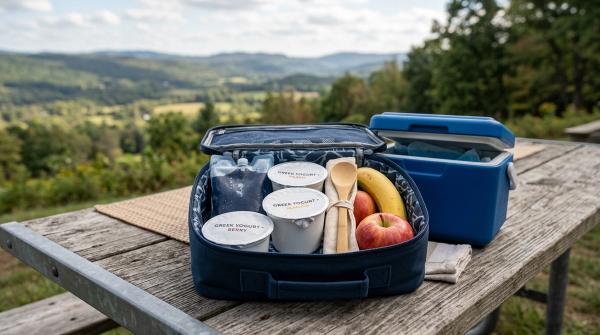
If you are travelling in hot weather, use an insulated food bag if possible. Do not place the container next to hot snacks or cooked food.
Keep It Away from Strong-Smelling Foods
#Chhena sweets can pick up smells easily. Do not pack dry rasgulla next to pickles, fried snacks, spice mixes, or anything with a strong aroma unless everything is tightly sealed.
Nobody wants rasgulla that smells like achar.
For Flights, Prefer Sealed and Labelled Packaging
#Dry rasgulla is usually easier to carry than syrup rasgulla because it does not have free-flowing liquid. Still, airport security and customs rules can vary.
For cabin baggage, sealed packaging helps. Commercially packed sweets with ingredient labels are easier to explain than an unmarked box from a local shop.
If you are flying internationally, check the destination country’s food import rules and declare food where required.
For more detail, AllBlogs has a helpful related guide: Can You Carry Indian Sweets in Cabin Baggage? Dry Mithai, Syrup and Customs Rules.
Dry Rasgulla for Gifting: What to Check Before Buying
#If you are buying dry rasgulla as a gift, especially for someone in another city, do not choose only by looks. A fancy box is nice, but freshness matters more.
Ask When It Was Made
#If you are buying from a sweet shop, ask when the batch was prepared and how it should be stored. A good shop will usually answer clearly.
Check the Packaging
#For travel or gifting, choose packaging that:
- Closes tightly
- Protects the pieces from crushing
- Does not leak syrup or moisture
- Has clear storage instructions, if commercially packed
- Looks clean and undamaged
Avoid Warm Display Counters
#If dairy sweets have been sitting in a warm, open display for too long, be careful. Dry rasgulla may look stable, but it is still made from milk.
Buy Close to Travel Time
#Do not buy fresh dry rasgulla many days before a trip unless it is commercially packed and has proper storage instructions.
For fresh mithai, buying closer to departure is safer. It usually tastes better too.
When to Discard Dry Rasgulla and Other Dairy Sweets
#This is one area where it is better to be strict. Dairy sweets are not the place to “adjust” or take a chance.
Discard dry rasgulla if:
- It smells sour, fermented, musty, or unpleasant
- You see mold or unusual discoloration
- The surface feels slimy
- The pieces have wet, mushy patches
- The taste is sour, bitter, or strange
- The container has puffed, leaked, or smells odd
- It was left in heat for too long
- You do not know how long it has been sitting outside
If one piece has visible mold, throw away the whole batch. Mold can spread beyond what you can see.
Do not wash it, scrape it, reheat it, or cover the smell with cardamom and nuts. If a dairy sweet has spoiled, it belongs in the bin.
Common Mistakes to Avoid
#Mistake 1: Thinking “Dry” Means Shelf-Stable
#Dry rasgulla is less wet than syrup rasgulla, but it is not a hard dry sweet. The chhena inside still needs care.
Mistake 2: Leaving It in the Original Mithai Box
#Those cardboard boxes are often not airtight. They are fine for carrying sweets home, but not ideal for fridge storage.
Mistake 3: Packing It Under Heavy Snacks
#Dry rasgulla is soft. If you pack it under namkeen packets, jars, or steel tiffins, it can flatten.
Mistake 4: Trusting Smell Only
#Smell is important, but also check the surface, texture, and colour. Spoilage does not always show up in just one way.
Mistake 5: Ignoring Travel Heat
#Even well-packed sweets can spoil faster in a hot car or during long waits. Keep dairy mithai cool whenever you can.
Final Takeaway
#Dry rasgulla is a great choice when you want the taste of rasgulla without worrying about syrup spills. It is soft, sweet, easy to serve, and much more practical for gifting or travel than the syrup version.
Just remember that it is still a fresh dairy sweet. Store it in an airtight container, refrigerate it when needed, and protect it from heat while travelling.
If it smells clean, feels soft, and tastes fresh, enjoy it. If it smells sour, turns slimy, grows mold, or simply makes you hesitate, throw it away.
With chhena-based sweets, that is usually the safest rule.