
A pot of soup that tastes too salty usually needs a lower salt concentration, not a clever ingredient that pulls salt out. Start by testing a small sample with a little water or unsalted broth. If that improves it, scale the change to the pot; if it makes the soup thin, add more unsalted ingredients or a separate unseasoned batch.
Cream, acid, herbs and a starchy garnish can make a bowl taste more balanced, but they do not remove salt. A potato left in the soup helps only as part of the soup you eat. Taking it out does not reliably extract salt.
First, find out how salty it is
#Let a spoonful cool for a moment, then taste it. Very hot soup can make careful tasting harder. Ask whether the salt is slightly too strong, or whether it is unpleasant before you swallow. The first case may need a small adjustment; the second may need a real dilution.
Also check what is already in the pot. Stock, bouillon, canned beans, tomatoes, cured meat, cheese, miso, soy sauce, olives and seasoning mixes can all contribute salt. If one of these went in near the end, adding more salt is not the only possible cause.
Do not reduce the soup while trying to correct it. Water evaporates during a hard boil or long simmer, but salt stays behind, so the remaining soup becomes more concentrated. Turn off the heat while you decide.
Choose the fix that fits the soup
#If the soup is only a little too salty
#Test a small amount before changing the pot. Put a few spoonfuls in a cup and stir in a measured spoonful of water or unsalted broth. Taste again. If the saltiness eases and the flavor still works, add a little of that liquid to the pot, stir, and taste another cooled spoonful.
Water is a useful first test because it adds no extra salt or competing flavor. Unsalted stock can add body and savoriness, but check its label: “reduced sodium” or “lightly salted” stock still contains salt. If you only have ordinary salted stock, it may make the problem worse.
Add liquid gradually. There is no reliable universal ratio because a thin vegetable broth, a bean soup and a thick purée respond differently. Keep a bowl of the original soup aside as a reference if you are worried about overshooting.
If the soup can take more vegetables, beans or grains
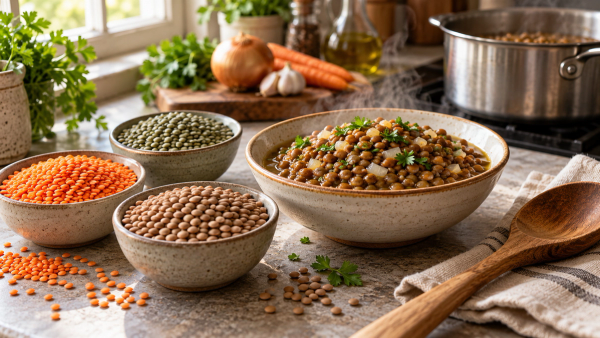
#Add more of the unsalted ingredients that already belong in it. For a vegetable soup, that could be extra cooked vegetables; for a bean soup, rinsed unsalted beans; for a noodle soup, separately cooked noodles. This increases the amount of food relative to the salt and preserves more texture than adding a lot of water.
Cook additions separately when they need a different cooking time. Do not add dry rice, pasta or lentils to a nearly finished pot unless the recipe has enough liquid and time for them to cook. They absorb liquid, and the soup can become thicker and saltier tasting as it reduces.
If you do not have extra ingredients, making a small second batch without salt and combining it with the first may work better than pouring in a large amount of water. This is especially useful for a soup whose flavor depends on a thick base.
If it is a creamy soup or purée
#Start with a small amount of water, unsalted stock or an unsalted version of the soup base. Stir well and taste before adding more. For a creamy soup, a little milk, cream or plain unsweetened dairy alternative can soften the perception of salt and restore a creamy texture, if it fits the dish.
Dairy balances flavor; it does not take salt out. It can also make a delicate soup taste heavy, and acidic ingredients may curdle some dairy. If the soup is already thick, loosen it carefully and recheck the texture after each addition.
If dilution makes the soup too thin, thicken it only after the salt level is right. A small starch slurry can work in soups where a glossy, thicker texture is welcome. Mix starch with cold water first, then stir it into simmering soup gradually. Do not add flour or starch directly in a lump.
If it is a clear broth or noodle soup
#A small amount of water is often the cleanest fix for a clear broth. If the broth is deeply oversalted, remove some and replace it with water or verified unsalted broth. Taste the broth before returning noodles or other ingredients, since they may already have absorbed salt.
For a noodle bowl, you can also cook another portion of plain noodles and add them, but remember that noodles dilute the salt only while they remain in the serving. If the broth itself is still too salty, more noodles may not be enough.
If it is a stew-like or very thick soup
#A thick soup may not have room for much extra liquid. Add more of its unsalted solids, or make an unseasoned mini-batch of the same base and combine them. If the dish allows a thinner finish, add a small amount of liquid and accept a slightly looser texture.
Do not try to “cook off” salt. Simmering can reduce excess water, but it cannot evaporate salt; it can concentrate the taste. If you need to thicken after dilution, use a method that suits the soup and check seasoning only at the end.
The potato myth, explained
#Not selectively. A raw potato can absorb salty liquid, but it also absorbs water and other dissolved flavors. If you remove that potato, you remove some liquid along with it; the method does not reliably pull salt out while leaving the rest of the soup unchanged. A Kitchn test of the potato method found it less useful than adding more soup or unsalted liquid.
A potato can still help when it belongs in the soup and stays there. Like extra beans, vegetables or rice, it adds unsalted food and changes the ratio in the finished serving. Think of that as dilution by adding an ingredient, not salt extraction.
Flavor balancing is not salt removal
#They can change the balance of flavors. A small splash of acid may make a rich soup taste brighter; dairy may soften a sharp salty impression. Neither removes sodium or lowers the amount of salt in the pot.
Add these only if they suit the recipe, and test them in a spoonful first. Acid can make some soups taste sharper and the salt more noticeable, so lemon or vinegar is not a dependable fix on its own. Sweetness may also distract from salt but can make a savory soup taste oddly sweet. If the soup is clearly too salty, dilution is the more direct correction.
A careful rescue sequence
#First, stop reducing the soup and let a spoonful cool. Check for salty ingredients you can still remove, such as a piece of cured meat or a salty garnish. Test a small sample with water or verified unsalted broth. If the sample improves, add a little to the pot, stir, and taste again. If the texture gets too thin, add matching unsalted solids or a little unseasoned soup base. Adjust herbs, acid or dairy only after the salt level is acceptable, and only when they suit the dish. Before serving, taste a complete bowl with its usual toppings before adding more salt.
For a concise alternative, Martha Stewart’s guide to making soup less salty also recommends dilution and adding more unseasoned food. The Washington Post’s soup and stew guidance explains why adding a potato is not a selective salt-removal trick.
Keep the next pot easier to adjust
#Salt in stages, especially before a long simmer. Taste packaged broth and other salty ingredients before adding extra salt. If a pot will reduce, season it lightly at first and finish after the volume is stable. Use the same spoon for tasting, and keep a written note when you are adapting a recipe.
The most dependable rescue is simple: lower the salt concentration with unsalted liquid or more unsalted soup, then restore texture and balance in small steps. If the soup is too salty to enjoy even after a reasonable dilution, save a portion to combine with an unsalted batch instead of trying to disguise it with a strong flavor.