For most Indian homes, there isn’t one perfect mosquito solution. The best setup is usually a mix of small, sensible steps.
Start by stopping mosquitoes from entering. Fix window screens, cover vents, and don’t let water collect around the house. Use a mosquito net while sleeping, especially for children or anyone sensitive to fumes. Keep a mosquito racket handy for the few mosquitoes that still sneak in. Use a liquid vaporizer only when needed, and preferably in a room with some ventilation.
UV mosquito machines may catch some insects, but they should not be your main mosquito-control plan. Coils can work in some situations, but they are better kept away from closed bedrooms because of the smoke.
In short: don’t depend on one gadget. Layer your protection.
Why mosquitoes become worse during monsoon
#Monsoon is when mosquitoes really start testing your patience.
Balconies stay wet. Plant trays collect water. Bathroom corners remain damp. Utility areas smell musty. Doors and windows are opened more often in the evening. And in apartments, even one torn mesh or one open balcony door can make the whole house feel like a mosquito zone.
The problem is that the market is full of options:
- Plug-in liquid vaporizers
- Mosquito repellent machines
- UV zappers
- Coils
- Sprays
- Rackets
- Nets
- Window screens
- Natural oils
- Home remedies
Everyone claims their product works best. But not all of them work in the same way. And not every option is right for every room, family, or health condition.
So instead of asking, “Which mosquito repellent is best?”, ask three simpler questions:
- How do I stop mosquitoes from entering?
- How do I protect myself while sleeping?
- How do I deal with the few mosquitoes that still get inside?
That is a much more practical way to compare mosquito repellent machines, liquid vaporizers, and mosquito nets.
Quick comparison: mosquito control options for Indian homes
#Option 1: Mosquito screens should be your first line of defence
#If mosquitoes enter your home every evening, no machine will fully solve the problem. You will just keep killing new mosquitoes again and again.
That is why window and door screens are one of the most useful long-term solutions. They are not fancy, but they work.
The best mosquito repellent for home use is often not a repellent at all. It is a barrier.
Mosquitoes commonly enter through:
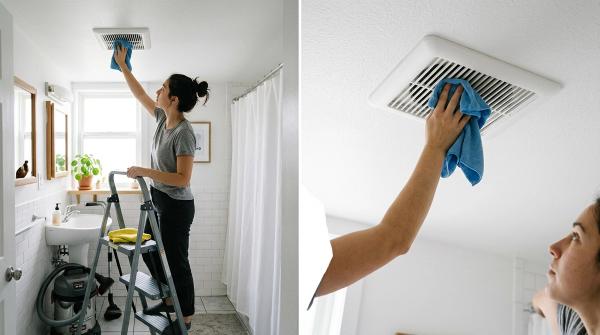
- Bathroom ventilators
- Kitchen windows
- Balcony doors
- Utility areas
- Gaps near sliding windows
- Main doors left open in the evening
- Small tears in old mesh
- Spaces under doors
A good screen lets air pass through but keeps mosquitoes out. For rented homes, removable magnetic or Velcro-style screens are easier. For owned homes, fitted sliding mesh or openable screens are neater and more convenient for daily use.
Yes, screens need some effort. You have to measure, install, clean, and repair them when they tear. But once they are in place, they reduce the mosquito problem without smoke, smell, electricity, or daily running costs.
The CDC recommends using and repairing door and window screens, keeping doors closed, removing standing water, and controlling mosquitoes indoors and outdoors. That advice fits Indian apartments very well, especially during monsoon.
Option 2: Mosquito nets are old-school, but still excellent
#In the liquid vaporizer vs mosquito net debate, the mosquito net still deserves a lot of respect.
It is simple. It creates a physical barrier around you while you sleep. There is no smoke, no fragrance, no plug point, no chemical vapour in the room, and no electricity needed.
Mosquito nets are especially useful for:
- Babies and toddlers
- Children
- People who dislike vaporizers or sprays
- Homes with pets
- Bedrooms with poor ventilation
- Renters who cannot install fixed mesh
- People with asthma, allergies, or fragrance sensitivity
- Anyone who wants low-exposure protection at night
Of course, nets are not perfect. Some people find them warm. Some find them slightly restrictive. And they only protect you when you are inside them. If you are sitting in the living room, working at a desk, or watching TV, the net will not help.
But for sleep, a net is still one of the most dependable options.
To make a mosquito net work properly:
- Tuck it well under the mattress.
- Check for small holes.
- Make sure there are no gaps near the bed frame.
- For babies or children, ensure the net is secured safely and does not sag into the sleeping area.
- Wash and dry it regularly so it does not collect dust.
A badly fitted net is irritating. A well-fitted net can make nights much more peaceful.
Option 3: Liquid vaporizers are convenient, but don’t overuse them
#Liquid vaporizers are common in Indian homes because they are easy. You plug them in, switch them on, and it feels like the room is being handled.
For many families, this is the default mosquito repellent for home use.
A vaporizer usually heats a liquid formulation and releases active ingredients into the air. It can reduce mosquito nuisance indoors, especially in the evening when doors are opening and closing often.
But it should not be treated like harmless background equipment that runs all night in every closed room.
That is where many homes overdo it.
Use liquid vaporizers more carefully:
- Read and follow the product label.
- Use them in rooms with some ventilation.
- Do not place them very close to a sleeping child.
- Keep them away from pet beds and food bowls.
- Avoid running multiple devices in a small room.
- Switch them off when not needed.
- Don’t use them as a replacement for screens and nets.
It is also worth understanding the difference between skin repellents and indoor plug-in products.
The EPA provides guidance on registered skin-applied repellents and lists ingredients such as DEET, picaridin, IR3535, oil of lemon eucalyptus, para-menthane-diol, and 2-undecanone for personal use. That guidance is about products applied to the skin. It does not mean indoor plug-in vaporizers should be used without limits.
The simple rule for any repellent product is this: read the label and use it exactly as directed.
A vaporizer can be useful. But it should be one part of your mosquito-control plan, not the whole plan.
Option 4: Mosquito racket vs vaporizer: which one is better?
#A mosquito racket and a vaporizer solve different problems.
A racket is best when you can see the mosquito. It is quick, chemical-free, and honestly, a little satisfying to use. In many apartments, where only two or three mosquitoes enter through the main door in the evening, a racket may be enough.
It is also useful before bedtime. Close the bedroom door, check behind curtains, look near the cupboard, use the racket, and then sleep peacefully. If mosquitoes are still a problem, use a net.
A vaporizer is better when mosquitoes are hiding in corners or when they keep entering again and again. It works in the background, but you still need to use it carefully and avoid running it unnecessarily in closed rooms.
For most homes, the best combination is:
- Fix entry points first.
- Use a racket for visible mosquitoes.
- Use a vaporizer only when mosquito numbers are high or hard to manage.
If mosquitoes keep entering every evening, the real problem is not the racket or vaporizer. The real problem is the open entry point.
Option 5: UV mosquito machines look impressive, but don’t expect too much
#UV mosquito machines and electric zappers look convincing. A light glows, insects fly near it, and the machine zaps them. The sound makes it feel like the device is doing serious work.
But mosquitoes are not mainly attracted to UV light. They are more attracted to people — our breath, body heat, and body smell.
That is why UV machines often catch moths, flies, and other flying insects, but they are not very reliable as a primary mosquito-control method.
If you already have one, you can use it as an extra device in a balcony, utility area, or corner where insects gather. But if you are deciding where to spend money, window screens and mosquito nets should come first.
A UV machine can be a helper. It should not be the hero of your mosquito plan.
Option 6: Mosquito coils are cheap, but not ideal for closed bedrooms
#Mosquito coils are still common in Indian homes because they are affordable and easy to find. They burn slowly and release smoke that repels or affects mosquitoes.
The main concern is indoor air.
Coils create smoke and particulate matter. That makes them a poor choice for daily use in closed bedrooms, especially around:
- Children
- Older people
- Pregnant women
- Pets
- People with asthma
- People with allergies
- Anyone with breathing sensitivity
The WHO has efficacy testing guidance for mosquito coils, which means coils can be tested for how well they work. But efficacy is not the same as saying every coil is suitable for every indoor situation.
If you use coils, use them more carefully:
- Keep them in open or well-ventilated areas.
- Follow the label instructions.
- Keep them away from curtains, bedding, paper, and furniture.
- Do not place them where children or pets can touch them.
- Avoid using them in closed bedrooms overnight.
Coils may be familiar, but they should not be your everyday solution for indoor mosquito control.
Monsoon mosquito checklist for Indian apartments
#Before buying another machine or changing brands, do this weekly monsoon check. It often helps more than adding one more product.
1. Remove standing water
#Check all the usual places:
- Plant saucers
- Balcony corners
- AC drain trays
- Buckets
- Mop areas
- Pet bowls
- Decorative water bowls
- Bathroom corners
- Utility areas
Mosquitoes breed in stagnant water, so don’t let water sit for days.
2. Check window and door screens
#Look for tears, loose edges, and gaps near the frame. Bathroom and kitchen vents are often ignored, but mosquitoes use them easily.
3. Keep doors closed in the evening
#Evening is when many homes become busy. Children come back from play, deliveries arrive, guests come in, and the main door stays open longer than we realise.
If this happens daily, consider a mesh door, magnetic curtain, or door closer.
4. Watch balcony plants
#Overwatered pots and plant saucers are common mosquito spots during monsoon. Empty trays after watering and avoid letting water collect under pots.
5. Use fans smartly
#Mosquitoes are weak flyers compared with steady indoor airflow. A ceiling fan or pedestal fan can make it harder for them to settle near you.
This is especially useful in living rooms, balconies, and work areas.
6. Clear clutter near sleeping areas
#Mosquitoes rest in dark, still corners. Keep curtains, laundry piles, and under-bed spaces easier to inspect.
A cleaner bedroom is easier to check before sleep.
7. Do a quick bedtime mosquito check
#Before sleeping:
- Close the bedroom door.
- Check behind curtains.
- Look near wardrobes and dark corners.
- Use a racket for visible mosquitoes.
- Sleep under a net if needed.
This small habit can make a big difference.
Safety notes for children, pets, and sensitive users
#Mosquito control should reduce the problem without making your indoor air uncomfortable. This matters even more in small apartments, where one product can affect the whole room quickly.
For babies and young children
#A well-fitted mosquito net is usually the most practical first choice for sleep. It gives clear protection without fumes or smoke.
If you use any repellent around children, read the label properly, including age-related instructions. Don’t apply skin repellents casually or repeatedly without checking directions.
Avoid burning coils in a closed nursery or bedroom. Also be cautious with plug-in vaporizers in small rooms with poor ventilation.
For pets
#Pets can be sensitive to sprays, smoke, and strong vapours. If you have cats, dogs, birds, rabbits, or other small pets at home, prioritise screens, nets, and rackets.
Keep plug-in devices away from pet sleeping areas, cages, litter areas, and food bowls. Avoid spraying directly around pets. It is simply not worth the risk.
For asthma, allergies, or fragrance sensitivity
#Choose physical barriers first:
- Window screens
- Door screens
- Bed nets
- Fans
- Mosquito rackets
Coils and strong aerosols are more likely to irritate sensitive people.
If a vaporizer causes coughing, headache, throat irritation, watery eyes, or discomfort, stop using it and switch to lower-exposure methods.
For renters
#If you cannot drill or install permanent mesh, use:
- Removable window screens
- Magnetic mesh curtains
- Foldable mosquito nets
- Door gap blockers
- Mosquito rackets
These options are practical, affordable, and easy to move when you shift homes.
So, what should different Indian homes use?
#For a family with children
#Use window screens in bedrooms and living areas. Put mosquito nets on children’s beds. Keep a racket for visible mosquitoes. Use vaporizers only when needed, and only as directed.
For a renter in a small apartment
#Start with removable window mesh, a foldable net, and a racket. If mosquitoes still come in daily, use a vaporizer for limited periods in a ventilated room.
For a home with pets
#Prioritise screens, nets, and rackets. Be careful with coils, sprays, and vaporizers, especially in rooms where pets sleep or eat.
For a balcony-heavy apartment
#Install balcony door mesh if possible. Empty plant saucers often. Use a fan while sitting outside. If you use coils, keep them only in open or well-ventilated areas and away from anything flammable.
For a bedroom with AC
#A closed AC room is not the best place to run a vaporizer all night. A mosquito net, repaired screens, and a quick pre-bedtime mosquito check are usually better first steps.
Related AllBlogs reads
#- Rainy-Season Mosquito Bites in India: Dengue Safety Guide
- Indian Hostel Room Monsoon Checklist for Students
- Monsoon Mold Smell at Home: Wardrobe, Wall & AC Fixes
- Monsoon Power Cut Checklist for Indian Apartments
Final recommendation
#If you are comparing mosquito repellent machines, liquid vaporizers, and mosquito nets, don’t look for one winner for every room.
Indian homes usually need layered protection.
Install or repair mosquito screens first. Remove standing water every week, especially during monsoon. Use mosquito nets for sleeping, especially for children and sensitive users. Keep a mosquito racket for the few mosquitoes that still get in. Use a liquid vaporizer only when needed, in ventilated spaces, and according to the label. Keep coils away from closed rooms. Treat UV machines as optional helpers, not your main mosquito solution.
No method can promise complete mosquito removal or disease prevention. But with barriers, cleaner monsoon habits, and careful use of products, most homes can reduce mosquito trouble without overusing smoke, fumes, or gadgets.
Source-aware notes
#- The CDC advises using and repairing door and window screens, keeping doors closed, removing standing water, and controlling mosquitoes indoors and outdoors.
- The EPA advises using registered repellents as directed and lists active ingredients for skin-applied repellents.
- The WHO provides efficacy testing guidance for mosquito coils, vaporizer mats, liquid vaporizers, ambient emanators and aerosols. Testing efficacy is not the same as saying every product is suitable for every closed indoor use case.