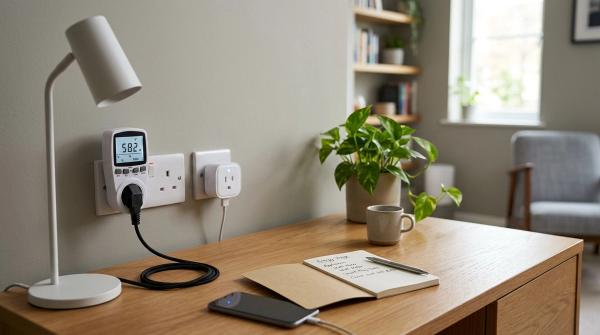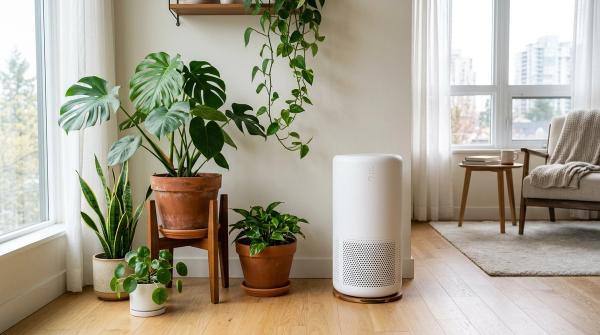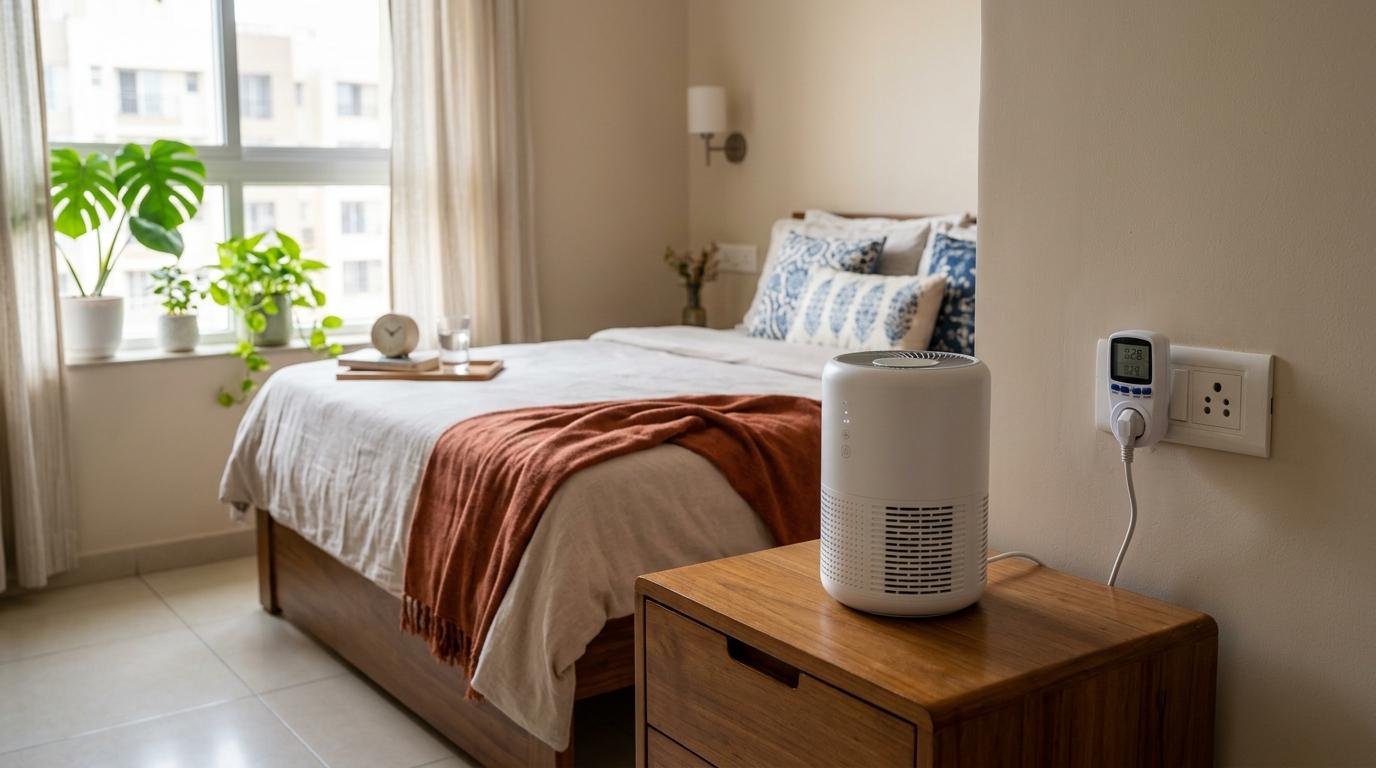
Air purifier electricity cost in India is usually manageable if you choose the right size and use it properly. Use this formula: watts × hours × days ÷ 1000 = kWh. A 40W air purifier used for 8 hours daily for 30 days uses 9.6 units. At ₹8 per unit, that is about ₹77 per month. Filter replacement is often the bigger long-term cost.
Safety note: This article is general household guidance, not medical advice. An air purifier can reduce particles in a room, but it does not diagnose, treat or prevent illness.
Air purifiers are now common in Indian apartments during winter pollution, Diwali smoke, nearby construction, road dust and dusty weather. Many families also use one in a bedroom for better sleep comfort, especially when windows stay closed because outdoor air is poor.
But the real cost of an air purifier is not just the purchase price. You also pay for electricity, HEPA filter replacement, carbon filters and basic maintenance. The good news: electricity is usually not the scary part. The more common mistake is buying an undersized unit, keeping it in the wrong place, or ignoring the pre-filter until airflow drops.
This guide explains how to estimate monthly air purifier running cost in India without brand hype.
How to calculate air purifier electricity cost
#You need three numbers:
- Rated watts of the air purifier at the speed you use.
- Hours per day you run it.
- Your electricity rate per unit, also called kWh.
Use this formula:
watts × hours × days ÷ 1000 = kWh
Then:
kWh × electricity rate = monthly electricity cost
Bedroom example
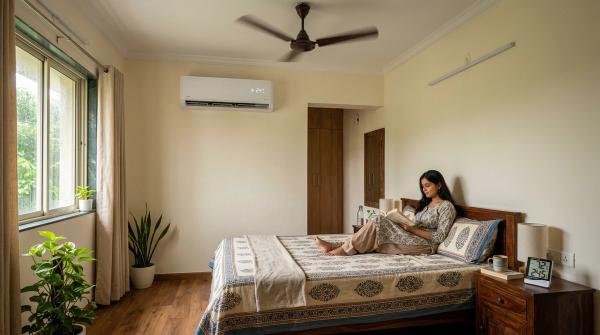
#Suppose your purifier uses 45 watts on medium speed and you run it for 12 hours each night.
45 × 12 × 30 ÷ 1000 = 16.2 kWh
If your electricity rate is ₹8 per unit, then:
16.2 × 8 = ₹129.60 per month
So the electricity cost may be around ₹130 per month for this usage pattern. If you use turbo mode all day, run multiple units, or keep one on 24/7 during pollution season, the bill will be higher.
Monthly electricity cost table
#The table below uses a 40W air purifier and an example electricity rate of ₹8 per unit. Replace these numbers with your own model wattage and local tariff.
This table covers electricity only. Your total air purifier running cost also includes filters.
What changes air purifier power consumption?
#Fan speed
#Fan speed changes electricity use the most. Low or sleep mode uses less power. High or turbo mode uses more power and makes more noise.
This is why buying the cheapest small unit can become frustrating. If the purifier is too small for the room, it may stay on high speed for hours and still clean slowly. A correctly sized purifier can clean faster and then settle into medium or low speed.
Filter condition
#A clogged pre-filter or HEPA filter restricts airflow. That can make the purifier louder, slower and less effective. Some models may also stay on higher fan speeds because the sensor keeps detecting poor air quality.
Do not wash a HEPA filter unless the manual clearly says it is washable. Most HEPA filters are replaced, not washed.
Room pollution load
#In Indian homes, an air purifier may deal with:
- Road dust and PM2.5 from outside
- Construction dust
- Cooking smoke and frying odour
- Incense sticks, dhoop or candles
- Pet hair and lint
- Cleaning sprays
- Open balcony doors
If the room keeps receiving new dust or smoke, the purifier works harder. Keep windows and doors closed while it is running.
Smart features
#Wi-Fi, displays, air-quality sensors and app control use a little extra power. Usually this is not the main cost, but it is still worth checking standby power and rated wattage before buying.
Filter cost matters more than electricity
#For many households, HEPA filter replacement costs more over a year than electricity. Exact prices vary by brand and model, so check the replacement filter price before buying the purifier, not after.
Look for:
- Exact filter model number
- HEPA filter price
- Carbon filter price, if separate
- Filter availability in India
- Expected replacement cycle
- Whether the pre-filter is washable or vacuum-cleanable
If you live near a busy road, construction site, industrial area or a high-smog city, filters may load faster than the brochure estimate.
Clean the pre-filter before blaming the purifier
#The pre-filter catches larger dust, hair and lint before air reaches the HEPA filter. Cleaning it is usually the cheapest maintenance step.
A practical routine:
- Check the pre-filter every 2–4 weeks.
- Vacuum it gently.
- Wash it only if the manual says it is washable.
- Dry it fully before reinstalling.
- Replace the main filter when the indicator, airflow, smell or manual suggests it.
This can help maintain airflow and delay unnecessary filter stress.
CADR and room size: do not buy only by price
#CADR means Clean Air Delivery Rate. It tells you how quickly the purifier delivers filtered air into the room. Official consumer guidance treats CADR as one of the most useful ways to compare portable room air cleaners.
Portable air purifiers are generally designed for single-room use, not for cleaning a whole apartment from one corner.
For Indian apartments, choose by the room where you will use it most:
- Bedroom purifier for bedroom size
- Living room purifier for living room size
- Larger CADR if ceiling height is high or pollution load is heavy
- Separate plan if bedrooms stay closed at night
An undersized unit may run louder, clean slower, use higher fan speeds and still disappoint.
Noise and placement affect daily use
#High fan speed cleans faster, but it may be too loud for sleep. If you are buying for a bedroom, check sleep-mode noise and not just CADR.
A useful routine is:
- Run the purifier on medium or high for 30–60 minutes before sleeping.
- Switch to sleep or auto mode overnight.
- Keep doors and windows closed.
- Avoid placing it behind curtains, beds, sofas or TV units.
Give the air intake and outlet open space. Bad placement can make even a good purifier perform poorly.
How to reduce running cost without reducing usefulness
#- Use the purifier in the room people are actually using.
- Keep windows and balcony doors closed while it runs.
- Use auto mode instead of turbo mode all day.
- Clean the pre-filter regularly.
- Avoid incense, indoor smoke and unnecessary sprays when possible.
- Choose a CADR that fits the room so the purifier does not struggle.
- Check filter prices before choosing a model.
When an air purifier may not be worth buying
#An air purifier may not give good value if:
- Windows stay open all day.
- You expect one unit to clean the whole flat.
- You cannot afford replacement filters.
- You buy a tiny purifier for a large room.
- You expect it to cool the room like a fan or AC.
- The main problem is dampness or humidity, not particles.
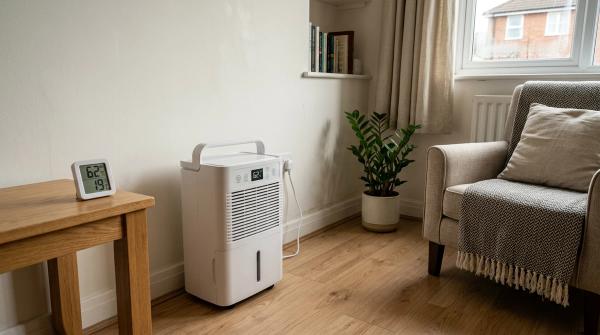
If your main issue is musty smell from damp walls or monsoon humidity, a humidity meter, ventilation, AC dry mode or dehumidifier may be more relevant than an air purifier.
India apartment buying checklist
#Before buying, check:
- Room size in square feet
- CADR suitable for that room
- Rated watts at common fan speeds
- Sleep-mode noise
- HEPA filter replacement price
- Carbon filter replacement price
- Filter availability in India
- Pre-filter cleaning method
- Placement space near a socket
- Warranty and service availability
- Whether the problem is dust, smoke, smell, humidity or ventilation
The best air purifier is not always the most expensive one. It is the one correctly sized for your room, affordable to maintain and easy enough to use daily.
Related AllBlogs guides to read next
#- Air Purifier CADR and Room Size Guide
- Air Purifier Placement Guide: Bedroom, Living Room & Apartment
- HEPA Filter Replacement Checklist
- CO2 Monitor vs Air Purifier vs Open Window
- Air Purifier vs Dehumidifier for Indian Monsoon Homes
Sources checked
#This guide was cross-checked against official and standards-oriented guidance from the U.S. EPA on portable room air cleaners, ENERGY STAR air cleaner energy use notes, and AHAM CADR guidance. Always verify your own product manual for exact wattage, filter life and maintenance rules.