That unpleasant front load washing machine smell is usually not a sign that your machine is ruined. Most of the time, it is trapped moisture, detergent residue, lint, hair and stale water sitting in places you do not look at every day: the rubber door gasket, detergent drawer, drum and drain pump filter.
If freshly washed clothes smell sour, your laundry area feels damp, or your service balcony has that closed musty smell after washing, your front-load washer probably needs a proper clean. Front-load machines are efficient, but their tight door seal also traps moisture. That helps during a wash cycle, but not when the machine stays wet and closed for hours.
This guide is especially useful for apartments, rented flats, small utility areas, bathrooms, balconies and humid monsoon months.
Why Front Load Washing Machines Start Smelling
#Most smelly washing machine problems come down to moisture that does not dry out.
A front-load washer can start smelling when:
- Water remains inside the drum, gasket folds, drawer or filter
- Detergent and fabric softener leave sticky residue behind
- Lint, hair, tissue bits, body oils and dirt collect in hidden corners
- The washer door is closed while the inside is still damp
- The laundry area has poor airflow
- Wet clothes are left inside the drum for too long
- Too much detergent is used for a low-water front-load wash
If the washer stays wet and closed after every wash, the musty smell can keep returning. This does not always mean a serious machine fault. In many cases, cleaning the gasket, detergent drawer, drain pump filter and drum makes a big difference.
What Kind of Smell Is Coming From Your Washer?
#If the smell gets worse right after a wash, start with the gasket and detergent drawer. If it is sharp, stale or drain-like, check the washing machine drain pump filter first.
The Three Main Places Odor Hides
#Most front-load washer maintenance advice comes back to the same basics: keep the door seal clean and dry, wash the detergent dispenser regularly, clean the drain pump filter, run the machine’s tub clean cycle and leave the door open after use so the washer can dry.
1. Clean the Rubber Door Gasket
#The rubber gasket, also called the door seal, is one of the most common reasons for front-load washer odor. Its folds can trap water, lint, hair, detergent residue, coins, tissue pieces, hair pins, buttons and small clothing items.
How to clean the gasket
#- Open the washer door fully. Pull back the rubber folds gently. Do not yank or stretch the rubber.
- Remove visible dirt and objects. Take out lint, hair, coins, threads, tissue bits or anything stuck inside.
- Wipe out the water. Use a microfiber cloth, old cotton towel or clean absorbent cloth.
- Clean inside the folds. Use warm water with a few drops of mild dish soap. A soft toothbrush can help clean grooves.
- Wipe again with a damp cloth. This removes leftover soap from the rubber.
- Dry the gasket properly. If the gasket stays wet, the smell can return.
After the final wash of the day, wipe the gasket dry and leave the washer door slightly open. You do not need to leave it wide open. Just enough for air to move inside. If you have children or pets at home, keep safety in mind.
2. Clean the Detergent Drawer
#The detergent drawer may look clean outside but still hold detergent, fabric softener, moisture and slimy residue inside. The space behind the drawer can also get dirty, especially if you use liquid detergent or softener regularly.
How to clean the detergent drawer
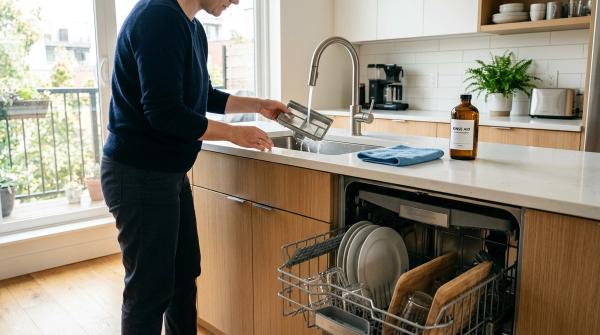
#- Remove the drawer. Most machines have a small release tab. If unsure, check your washer manual.
- Wash the drawer in the sink. Use warm water and mild soap. Scrub corners and the softener section.
- Clean removable parts. If your model allows it, remove and rinse the siphon cap or liquid guide.
- Wipe the drawer cavity. Use a damp cloth or soft brush to clean the space where the drawer sits.
- Dry the drawer before putting it back. Let it air dry or wipe it with a clean cloth.
- Leave it slightly open between washes. This helps trapped moisture escape.
The drawer can hold more residue than expected, especially if you use thick detergent, softener or too much product per wash.
3. Clean the Drain Pump Filter
#The drain pump filter catches lint, hair, tissue, coins, buttons and other small items before they move deeper into the drain system. Because this area can hold standing water, it can smell bad when ignored.
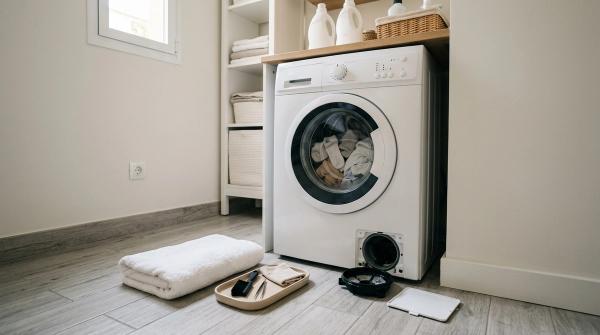
Before you start, check your user manual. Filter designs vary by brand and model. Keep old towels, a shallow tray and a cloth ready. Some water will probably come out when you open the filter. If your manual says to unplug the machine before cleaning the filter, do that first.
How to clean the drain pump filter
#- Find the filter access panel. It is usually behind a small door near the bottom front of the washer.
- Place towels under the filter area. This helps catch spills.
- Use the emergency drain hose if available. Drain water into a shallow tray.
- Open the filter slowly. Turn the filter cap gently and open it little by little.
- Remove debris. Take out lint, hair, coins, buttons, threads or tissue pieces.
- Rinse the filter. Wash it under running water.
- Wipe the filter housing. Clean inside the filter area as much as you can reach.
- Put the filter back tightly. If it is loose, the washer may leak.
After cleaning, run a short rinse or drain cycle if your manual recommends it. Then check the filter area for leaks.
Should You Run a Tub Clean Cycle?
#Yes. If your washer has a Tub Clean, Drum Clean, Eco Drum Clean or similar cycle, use it as recommended in your manual. Run it empty. Do not add clothes.
A tub clean cycle helps flush out residue from internal areas you cannot reach by hand. But it works best with manual cleaning. It will not remove a coin stuck in the gasket or lint sitting inside the drain pump filter.
Safety Rules Before Cleaning Your Washer
#Keep cleaning simple and safe.
- Never mix bleach with vinegar.
- Never mix bleach with ammonia.
- Do not mix different cleaning products together.
- Use only one cleaning method at a time.
- Keep the laundry area ventilated when using any cleaner.
- Check your washer manual before using bleach, vinegar, descalers or cleaning tablets.
- Unplug the washer before filter cleaning if your manual says so.
- Do not use hard scrub pads or sharp tools on the rubber gasket.
A soft cloth, warm water, mild soap and a toothbrush are enough for most routine cleaning. If you see heavy mold, notice very strong odors or feel unwell around the washer, take proper household safety steps and consider qualified help.
India, Monsoon and Apartment Laundry Areas
#In many Indian homes, the washing machine sits in a bathroom, kitchen corner, service balcony, compact utility area, laundry cabinet or semi-covered outdoor space. These areas may not dry quickly, especially during monsoon.
During humid months:
- Leave the washer door slightly open after the final wash
- Keep the detergent drawer slightly open
- Wipe the gasket dry after washing
- Remove wet clothes quickly
- Improve airflow if possible
- Avoid washing late at night if clothes will sit inside till morning
Hard water can also leave more visible detergent residue and mineral buildup. A common mistake is using too much detergent. Front-load washers use less water than many top-load machines, so extra detergent may not rinse away fully. Use front-load detergent and follow the quantity recommended on the detergent pack and washer manual.
More detergent does not mean cleaner clothes. Sometimes it means more residue.
Front Load Washer Cleaning Routine
#Quick Smelly Washing Machine Fix Routine
#If your washer already smells bad, follow this order:
- Remove all clothes from the drum.
- Pull back and clean the rubber gasket.
- Remove and wash the detergent drawer.
- Wipe the drawer cavity.
- Clean the drain pump filter according to your manual.
- Run the tub clean or drum clean cycle.
- Leave the door and drawer open so everything can dry.
Give the washer a few hours to air out after cleaning. If the smell improves but returns quickly, ask: are you using too much detergent, and is the laundry area staying damp with poor airflow?
Related AllBlogs reads
#If your laundry room is part of a wider damp-home problem, these AllBlogs guides may also help:
- Monsoon Laundry Smell in India: Drying & Wardrobe Fixes
- Monsoon Mold Smell at Home: Wardrobe, Wall & AC Fixes
- Moisture Absorber vs Dehumidifier for Indian Monsoon Wardrobes
- Heated Airer vs Dehumidifier vs Drying Rack