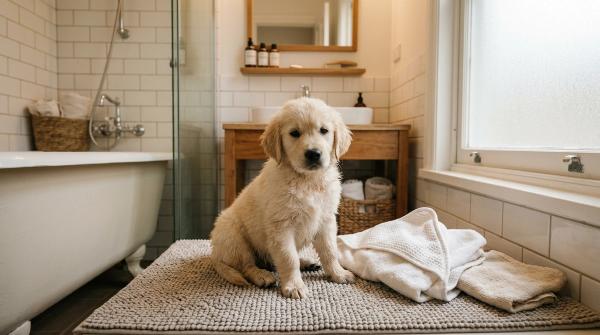
For most healthy adult dogs, one proper bath every 3 to 4 weeks during the Indian monsoon is enough.
Yes, even if your dog comes back with muddy paws every second day.
If only the paws, legs, or belly are dirty, clean just those areas with plain water and dry them well. You do not need to shampoo the whole dog every time they step into a puddle or walk through wet mud.
The better monsoon routine is this:
Clean the paws. Dry the coat. Brush often. Check the skin. Watch for ticks, smell, redness, itching, or sore spots.
That is really the heart of monsoon dog care.
Because let’s be honest, monsoon with a dog in India can be a bit much. The lift is wet, the road is muddy, the balcony smells damp, your dog wants to jump on the sofa, and suddenly you are wondering, “Should I just bathe him again?”
Most of the time, no.
Too many baths can dry your dog’s skin and strip away the natural oils that protect the coat. But leaving your dog wet for hours is not good either. Damp fur can lead to itching, bad smell, matting, ticks, fleas, paw irritation, and skin infections.
So the goal is not to bathe more.
The goal is to keep your dog clean, dry, checked, and comfortable.
This guide from allblogs is for Indian dog parents dealing with wet paws, muddy roads, damp apartments, rainy-season dog smell, ticks, fleas, and all the regular monsoon drama.
Quick Answer: How Often Should You Bathe a Dog in Monsoon?
#If your dog is healthy and does not have a skin condition, use this as a safe starting point:
- Full bath with dog shampoo: once every 3 to 4 weeks
- Muddy paws or belly: rinse with plain water after walks and dry properly
- Wet coat after rain: towel dry first, then use a cool or low-heat dryer if needed
- Wet dog smell: dry, brush, and clean only the dirty areas before giving another full bath
- Skin problems, allergies, itching, infection, or medicated shampoo: follow your vet’s advice
If your dog has allergies, hot spots, fungal or bacterial infections, recurring itching, or a strong smell that comes back soon after bathing, do not guess the bath schedule. Speak to your veterinarian.
Why Monsoon Grooming Is Different in India
#Rain is only one part of the problem. The bigger problem is usually humidity.
During monsoon, many Indian homes and streets stay damp for hours. There are wet building entrances, muddy footpaths, overflowing drains, damp parking areas, and barely any sunlight on some days.
Your dog’s coat may look dry from the outside but still stay moist close to the skin, especially around:
- Paws
- Belly
- Underarms
- Neck and collar area
- Ears
- Tail base
- Groin area
- Skin folds, in breeds that have them
When moisture sits close to the skin, it can cause irritation, itching, smell, and sometimes secondary skin problems. Ticks and fleas can also become harder to manage in this weather, especially if your dog walks near grass, soil, gardens, parking areas, or places where stray animals rest.
So your monsoon routine should focus on three simple rules:
- Do not over-bathe your dog.
- Do not leave your dog damp.
- Check paws, skin, ears, and parasites regularly.
Bath Frequency by Coat Type and Lifestyle
#There is no one perfect bathing schedule for every dog. It depends on your dog’s coat, activity level, skin health, and how dirty they get outside.
Use this table as a practical starting point.
These are general grooming guidelines, not medical rules. If your vet has prescribed a medicated shampoo or a specific bathing plan, follow that instead.
Why You Should Not Bathe Your Dog Too Often
#It is very normal to think, “My dog smells bad, so another bath will fix it.”
But in rainy weather, frequent shampoo baths can sometimes make things worse.
Over-bathing may:
- Remove natural oils from the coat
- Dry out the skin
- Make itching worse
- Irritate sensitive skin
- Weaken the skin barrier
- Make the coat dull or rough
- Increase discomfort in dogs already prone to skin problems
A full bath is useful when your dog is genuinely dirty or smelly. But daily shampooing is not the solution.
Most monsoon mess can be managed with:
- Plain water rinsing
- Proper towel drying
- Brushing
- Cleaning only the dirty areas
- Keeping collars, harnesses, and bedding dry
In short, do not reach for the shampoo every time your dog smells a little wet. First, dry them properly.
Dog Shampoo vs Human Shampoo: Please Do Not Swap Them
#If you run out of dog shampoo, do not use your own shampoo “just this once”.
Human shampoo is made for human skin, not dog skin. Dogs have different skin needs, and human shampoo can disturb their skin barrier. It may cause dryness, irritation, flaking, or itching.
Use:
- A shampoo made specifically for dogs
- A mild dog shampoo for regular baths
- A vet-recommended shampoo if your dog has itching, dandruff, allergies, infection, or recurring smell
Avoid:
- Human shampoo
- Strong perfume-based products
- Harsh antiseptic washes unless your vet has advised them
- Repeated shampooing just because the coat smells damp
If your dog smells bad even after proper drying and regular grooming, call your vet. Do not keep bathing again and again hoping the smell will disappear.
Apartment-Friendly Post-Walk Paw and Coat Routine
#This is the part that makes the biggest difference during monsoon.
Keep a small “rain station” near your door. It can have:
- One old towel
- One paw cloth
- A brush or comb
- Pet wipes, if you use them
- A dryer, if your dog has a thick or long coat
You do not need a fancy setup. You just need to be consistent.
1. Stop at the Door
#Before your dog runs straight to the sofa or bed, pause near the entrance. Keep a washable mat or old towel there.
Quickly check for:
- Mud on paws
- Wet belly
- Water dripping from ears or tail
- Leaves, grass, or small debris stuck in fur
- Sudden limping
- Any discomfort while walking
This takes less than a minute, but it saves your house and your dog’s skin.
2. Wipe the Coat First
#Use an absorbent towel and gently press the coat dry.
Do not rub too hard, especially if your dog has long or curly hair. Rough rubbing can create tangles and make mats worse.
For short-coated dogs, towel drying may be enough after light rain.
For long-haired, curly-coated, or double-coated dogs, towel drying is only the first step.
3. Clean Muddy Paws with Plain Water
#If the paws are muddy, rinse them with clean, lukewarm water. You do not need shampoo every time.
Pay attention to:
- Paw pads
- Between the toes
- Around the nails
- Dewclaw area, if your dog has one
If your dog walked through dirty street water, clean the paws more carefully. Use dog shampoo only if truly needed, and rinse it out completely.
4. Dry Between the Toes
#This is one of the most important parts of dog paw care during monsoon.
The space between the toes stays damp very easily. Use a dry cloth and gently wipe between each toe. If your dog has hairy paws, take extra time here.
Moist paws can become itchy, smelly, or sore. If your dog keeps licking their paws after walks, do not ignore it.
5. Dry the Belly and Underarms
#Small dogs and short-legged dogs often collect dirty splash water on the belly. Long-haired dogs can also stay damp around the underarms and groin.
Dry these areas gently after walks. It takes only a few minutes, but it helps prevent smell, itching, and discomfort.
6. Use a Dryer Carefully if the Coat Is Wet Near the Skin
#If your dog is soaked, towel drying may not be enough.
You can use a pet dryer or a human hair dryer on the cool or lowest heat setting.
A few safety tips:
- Keep the dryer moving
- Do not hold hot air close to the skin
- Check the skin with your hand while drying
- Stop if your dog becomes scared or stressed
- Use treats and calm praise to make it easier
The goal is not to make your dog look salon-ready. The goal is to make sure the coat is not damp near the skin.
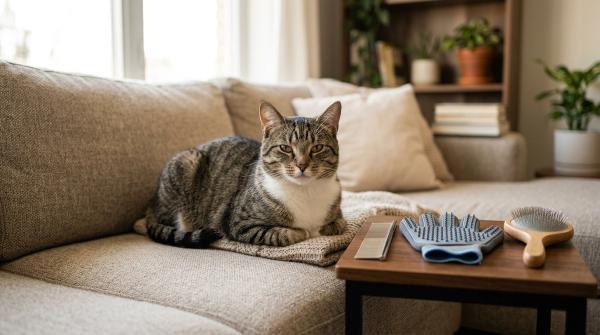
7. Brush After Drying
#Brushing removes loose hair, dirt, and small tangles. It also helps you feel for ticks, bumps, redness, or sore spots.
For long and curly coats, brushing is especially important during monsoon because damp hair mats quickly.
Tick and Flea Safety During Monsoon
#Ticks and fleas are not just annoying. They can irritate your dog’s skin and may carry disease.
Humid weather can make parasite control harder, so prevention matters. The American Veterinary Medical Association highlights the importance of regular flea and tick prevention for dogs. During monsoon, it is especially sensible to check your dog often and stay consistent with the prevention plan your vet recommends.
After walks, check these common hiding spots:
- Inside and around the ears
- Under the collar
- Neck folds
- Armpits
- Groin area
- Between the toes
- Tail base
- Around the eyes and muzzle
Do not randomly mix tick products. Do not use products meant for another pet. Do not apply medication without checking whether it is safe for your dog.
Puppies, senior dogs, pregnant dogs, sick dogs, and small breeds may need extra care. Ask your vet what flea and tick prevention is suitable.
Puddle and Stagnant Water Safety
#Monsoon puddles may look harmless, but street water can contain mud, urine, sewage overflow, chemicals, and other contaminants.
The CDC notes that leptospirosis can spread through water or soil contaminated with urine from infected animals, and the risk can increase after flooding or heavy rain. Dogs may be exposed when they drink from, walk through, or lick contaminated water or mud.
To reduce risk:
- Do not let your dog drink from puddles
- Avoid stagnant water and overflowing drains
- Carry clean drinking water for longer walks
- Rinse and dry paws after exposure to dirty water
- Do not let your dog lick muddy paws before cleaning
- Call your vet if your dog seems unwell after exposure to dirty water
This does not mean every puddle will make your dog sick. It simply means puddles are not worth the risk.
What to Do About Dog Smell in Rainy Season
#That typical rainy-season dog smell usually gets worse when the coat stays damp.
Before giving another bath, try this:
- Dry your dog completely after walks.
- Brush out loose hair and trapped dirt.
- Wash only muddy areas.
- Clean collars and harnesses because they hold smell too.
- Keep bedding dry and wash it regularly.
- Make sure ears, paws, and skin folds are not staying moist.
If the smell is strong, sour, yeasty, rotten, or keeps coming back quickly after grooming, speak to your vet.
Bad smell can come from the skin, ears, teeth, anal glands, paws, or infection. It should not be covered up with perfume or repeated baths.
Simple Monsoon Grooming Routine for Indian Apartments
#Here is an easy routine you can actually follow.
After Every Rainy Walk
#- Towel dry the coat
- Rinse muddy paws with plain water
- Dry between the toes
- Dry the belly and underarms
- Check for ticks
- Brush if your dog has a long, curly, or double coat
Every 2 to 3 Days
#- Brush thoroughly
- Check ears for unusual smell or discharge
- Check paws for redness, cracks, swelling, or constant licking
- Look under collar and harness areas
- Air bedding if it feels damp
Every 3 to 4 Weeks
#- Give a full bath with dog shampoo, if your dog is healthy
- Rinse shampoo completely
- Dry the coat fully
- Brush after drying
As Needed
#- Plain water rinse for muddy legs
- Vet visit for itching, redness, wounds, ticks, fleas, strong smell, or illness signs
- Grooming trim around paws, belly, and sanitary areas, especially for long-haired dogs
Should You Trim Your Dog’s Coat in Monsoon?
#A hygiene trim can help, especially for long-haired dogs.
Trimming around the paws, belly, and sanitary areas can reduce mud collection and make drying easier.
But avoid shaving double-coated dogs unless your vet or a professional groomer has a specific reason. Double coats help protect the skin and support temperature regulation. Shaving them can sometimes create more coat and skin problems later.
For breeds like Golden Retrievers, German Shepherds, Huskies, and many Indies with dense coats, focus on:
- Brushing
- Drying properly
- De-shedding
- Keeping paws and belly neat
A neat trim is useful. A full shave is usually not necessary.
When to Call a Veterinarian
#Do not wait too long if something feels off. Monsoon skin and paw problems can get worse quickly in humid weather.
Call your veterinarian if you notice:
- Constant scratching, biting, or licking
- Red, inflamed, or painful skin
- Foul smell from skin, ears, or paws
- Wet, sticky, or oozing patches
- Patchy hair loss
- Swelling between the toes
- Limping after walks
- Cracked or bleeding paw pads
- Ticks attached to the skin, especially if you are unsure how to remove them safely
- Flea dirt, visible fleas, or repeated scratching
- Vomiting, lethargy, feverish behaviour, or loss of appetite after exposure to dirty rainwater
- Ear shaking, ear scratching, or discharge
- A bad smell that returns soon after bathing
Do not use human medicines, leftover antibiotics, steroid creams, antiseptic liquids, or random home remedies without veterinary guidance.
This article is for grooming safety and awareness, not diagnosis or treatment.
Common Mistakes to Avoid During Monsoon Dog Bathing
#Bathing Every Time Your Dog Smells Wet
#Wet dog smell often means the coat is not drying properly. Drying and brushing may help more than another bath.
Leaving the Undercoat Damp
#Double-coated dogs may look dry outside while the inner coat stays wet. Check with your fingers near the skin.
Forgetting the Paws
#Paws touch dirty water first and dry last. Clean and dry them after walks.
Using Human Shampoo
#Human shampoo can irritate dog skin. Use dog shampoo only.
Ignoring Collars and Harnesses
#A damp collar can trap moisture and smell. Remove wet gear, dry it, and check the skin underneath.
Skipping Tick Checks
#Ticks can hide in tiny areas. Monsoon checks should be regular, not occasional.
Letting Your Dog Sleep Damp
#Even if your dog looks tired after a rainy walk, dry them before they curl up. Damp fur against bedding can make smell and skin irritation worse.
Final Takeaway
#During the Indian monsoon, most healthy adult dogs do not need frequent full baths. A proper bath every 3 to 4 weeks is usually enough.
What they need more often is simple daily care:
- Clean muddy paws
- Dry the coat properly
- Brush regularly
- Check for ticks and fleas
- Keep collars, harnesses, and bedding dry
- Watch for itching, redness, smell, limping, or illness
Think of monsoon grooming as maintenance, not constant bathing.
A dry, brushed, checked dog is usually a much happier dog than one being shampooed every few days.