The suitcase always smells better on the way home
#I have this very specific travel problem: I fall in love with a place, and then I try to pack it. Not in a poetic way, either. I mean actual jars of honey, bags of chile flakes, weird little tins of fish, vacuum-sealed coffee, chocolate bars, spice mixes, cheese wrapped in three layers of socks because apparently I make terrible choices when I’m hungry in a market. Food souvenirs are my favorite kind of souvenir because they don’t sit on a shelf collecting dust. You open them on some grey Tuesday night back home and suddenly you’re in Lisbon again, or Bangkok, or Oaxaca, or that tiny mountain town where someone’s auntie sold you walnut liqueur and called you skinny even though you’d eaten four pastries before lunch.
But then comes customs. The little card. The airport signs. The very serious officer asking, “Are you carrying any food?” And you, clutching your tote bag full of saffron, smoked paprika, dried mango, and maybe one questionable sausage, suddenly forget every rule you ever half-read. I’ve been there. More than once. So this is the food-lover’s version of what to declare, what to think twice about, and what not to get emotionally attached to in the first place.
First rule: declare it, even if it feels silly
#The biggest thing I’ve learned, after years of dragging edible treasures across borders, is that customs officers are usually not mad that you bought food. They get mad when you hide it, or “forget” it, or act like the dried pork floss from Taipei is just a scarf with a funny smell. In the United States, for example, U.S. Customs and Border Protection and USDA APHIS tell travelers to declare all food, plants, and agricultural items. Not some. All. That includes snacks, spices, tea, candy, fruit, seeds, meat, cheese, and stuff you bought in a duty-free shop because duty-free does not magically mean agriculture-free.
And honestly, declaring has saved me. Once, coming back from Mexico with mole paste from Oaxaca, I ticked yes for food and the officer asked what I had. I said, “Chocolate, coffee, mole paste, dried chiles.” He looked at the labels, asked whether there was meat in the mole, and waved me through. Took maybe four minutes. Another time, a guy near me did not declare a salami, and that became a whole airport drama. Not worth it. Just declare. Worst case, they take something. Best case, you keep your goodies and don’t spend the flight home sweating through your shirt.
My personal rule now is boring but effective: if it grew, grazed, swam, fermented, was cooked by someone’s grandmother, or came in a jar I can’t fully translate, I declare it.
The foods that usually cause the most trouble
#Every country has its own rules, and they change because pests, animal diseases, and biosecurity risks change. Australia and New Zealand are famously strict. The U.S. is strict about meat and many fresh produce items. Canada, the EU, the UK, Japan, Singapore, and other places all have their own versions of “yes, maybe, absolutely not.” So, please don’t treat a blog post as a replacement for the official government site of the country you’re entering. I check before I fly, especially if I’m bringing something expensive or sentimental. But after enough trips, you start to see patterns.
- Fresh fruit and vegetables are risky. That perfect mango from a roadside stall in India might be the best mango of your life, but fresh produce often carries pest concerns and is commonly restricted or prohibited.
- Meat is the big danger zone. Sausages, jerky, pâté, meat-filled dumplings, meat broth powders, lard-based spreads, even instant noodles with meat packets can be a problem depending on the country.
- Dairy is complicated. Hard aged cheeses are sometimes easier than soft, fresh cheeses, but rules vary and refrigeration matters too.
- Seeds, grains, nuts, and spices can be allowed or restricted depending on processing, packaging, origin, and whether they’re for eating or planting. Don’t assume because it’s dry, it’s automatically fine.
- Homemade or unlabeled foods can be awkward. Not always forbidden, but harder to explain. The officer can’t read your memory of the smiling vendor who promised “no meat, only love.”
Market romance vs airport reality
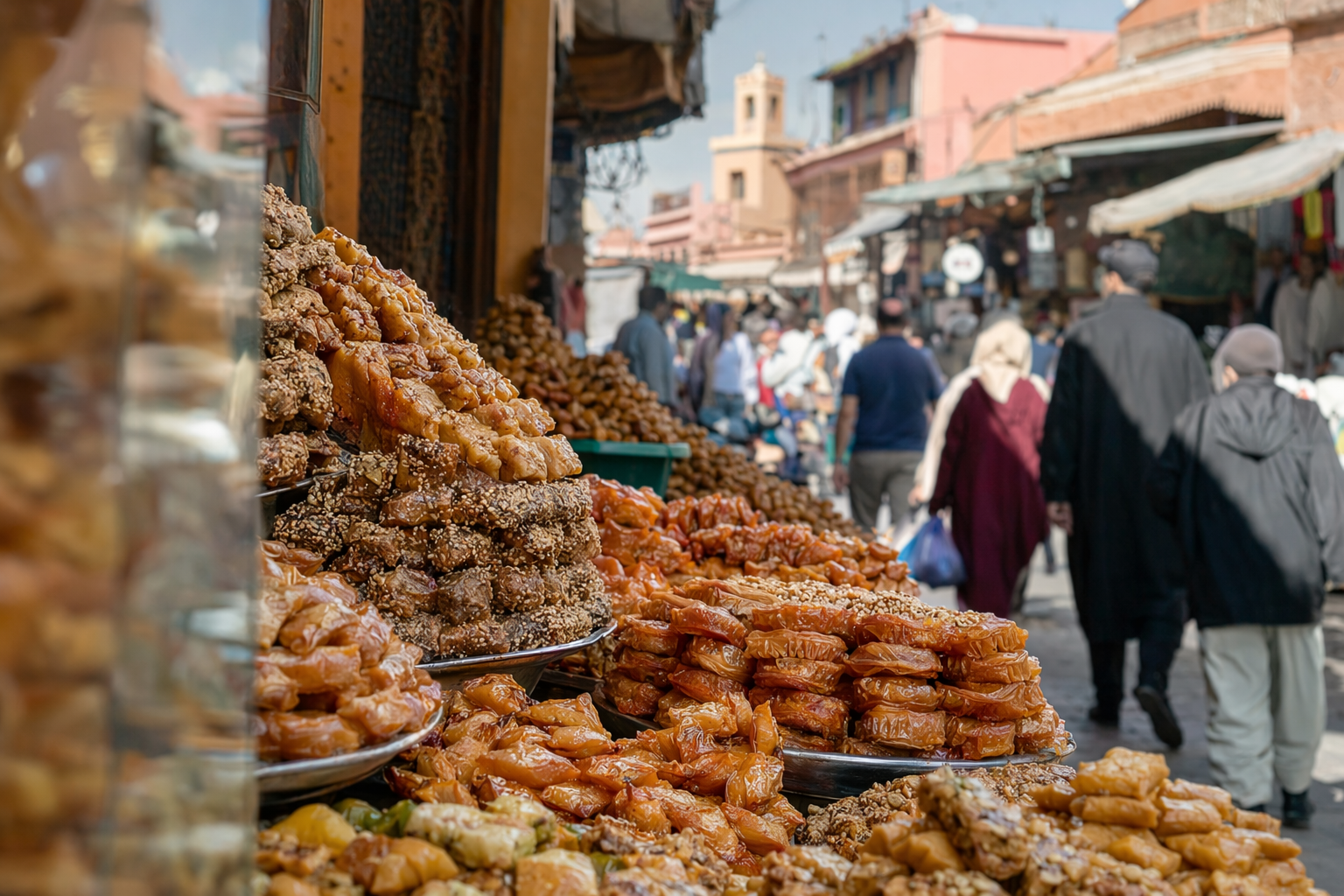
#I love food markets more than some museums. Sorry. I know that sounds uncultured, but give me a market at 7 a.m. and I’m happy as anything. I’ve walked through La Boqueria in Barcelona eating jamón and feeling like every tourist cliche at once. I’ve stood in Istanbul’s spice bazaar sniffing sumac like a weirdo. I’ve bought olive oil in Crete from a man who kept saying “my cousin, my cousin” while pointing at every bottle. In Kyoto, I once spent almost an hour choosing pickles I later realized were not going to survive my hot train ride, never mind customs.
The thing is, markets make you emotional. Everything looks essential. You start thinking, “If I don’t bring home this exact jar of preserved lemons, will I even remember Morocco properly?” Yes, you will. Calm down. Buy the shelf-stable things with labels. Eat the fresh things there. That’s the balance I’ve had to learn. I still mess it up sometimes. In Paris, I bought a soft, oozy cheese from a farmers market because it smelled like a barn had achieved enlightenment. Beautiful cheese. Terrible travel decision. It leaked in the hotel fridge and my partner still brings it up when I get too confident.
If cheese is your weakness too, and listen, I understand deeply, it’s worth thinking about softness, aging, refrigeration, and whether you can keep it cold without turning your carry-on into a dairy swamp. I liked this practical breakdown on Farmers Market Cheese Travel Safety: Soft Cheese and Ice Packs because it gets into the boring-but-important bits that you only care about after your bag smells like brie for six months.
What I usually bring home without much drama
#There are categories of food souvenirs that tend to travel better. Not guaranteed everywhere, okay, but generally less chaotic than fresh mangoes or homemade pork sausage. Coffee beans are my number one. I’ve brought home coffee from Colombia, Ethiopia, Vietnam, Costa Rica, and tiny roasters I found by accident in cities where I could barely pronounce the neighborhood. Whole beans, sealed bag, commercial label, easy to explain. Tea is similar. Matcha from Uji, oolong from Taiwan, masala chai blends from India, mint tea from Morocco. Dry, sealed, labeled. Lovely.
Chocolate is another hero souvenir. It survives customs better than it survives summer heat, to be honest. I still think about a dark chocolate bar with smoked salt I bought in Reykjavík, which made absolutely no sense to my budget but complete sense to my mouth. Candy usually travels well too, unless it contains weird animal products or fresh fillings. Spices are my other weakness. Smoked paprika from Spain, za’atar from Jordan, urfa biber from Turkey, berbere from Ethiopia, curry leaves dried and packed from Sri Lanka. I declare them, keep them sealed, and try not to buy giant unmarked sacks unless I’m ready for questions.
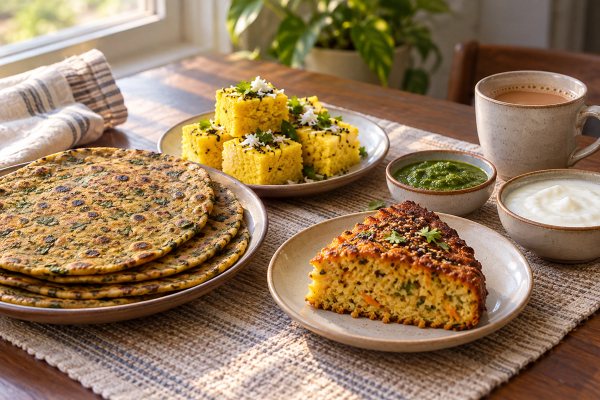
Dry snacks are also a good lane, especially if they’re commercially packed. From India, I’ve carried roasted makhana, banana chips, masala peanuts, khakhra, and those dangerously addictive little mixtures that are 80 percent crunch and 20 percent regret. If you’re flying internationally from India with makhana or similar packaged snacks, this guide on Can You Carry Makhana on International Flights from India? is actually useful because packing, labels, and airport checks matter more than people think.
The sauce problem: jars, chutneys, oils, and things that leak in your soul
#Sauces are where food souvenir dreams go to be tested. I have packed hot sauce from Belize, fish sauce from Vietnam, salsa macha from Mexico, pesto from Liguria, truffle oil from Italy, piri piri from Portugal, and one jar of fermented shrimp paste that nearly ended my marriage before it began. Liquids and gels have airport security rules in carry-on, and customs has agriculture rules, and your suitcase has physics. All three matter.
Wet chutneys, sauces, jams, honey, oils, pastes, syrups, and vinegars are usually better in checked luggage if they’re over cabin liquid limits. Wrap them like they are tiny glass babies. I use a zip bag, then clothes, then another bag if I’m feeling paranoid. And I am usually feeling paranoid. Dry spice mixes and podi-style powders are easier, though still declare them. For India-specific packing, especially the dry vs wet chutney headache, Chutney in Cabin Baggage from India: Dry vs Wet Rules explains the difference in a way that would’ve saved me from a turmeric incident I’m not emotionally ready to discuss.
A rough cheat sheet, not a legal promise
#| Food souvenir | Customs vibe | My travel opinion |
|---|---|---|
| Commercial coffee or tea | Often allowed when declared, especially sealed and labeled | Excellent souvenir. Light, fragrant, and you’ll actually use it. |
| Chocolate and candy | Usually low drama, but check fillings and animal ingredients | Great, unless you’re flying through heat and it becomes suitcase fondue. |
| Spices and dried herbs | Often possible, but seeds and plant material can trigger questions | Declare it. Keep original packaging if you can. |
| Fresh fruit or vegetables | Frequently restricted or prohibited | Eat it before the airport. Seriously. |
| Meat, sausage, jerky, pâté | Often restricted, especially across long-haul borders | Unless rules clearly allow it, don’t get attached. |
| Cheese | Depends on type, origin, country, and refrigeration | Hard aged cheese is less stressful than soft fresh cheese, but still check. |
| Sauces, chutneys, oils, honey | May be allowed, but liquid rules and agricultural rules both apply | Pack like a pessimist. Declare like a saint. |
| Homemade foods | Harder to verify, sometimes questioned | Lovely gift, annoying at customs. Choose carefully. |
The time I almost lost my saffron in Madrid
#I say “almost” like it was dramatic, but it was mostly me being tired and slightly dumb. I had bought saffron in Madrid because, well, Spain and saffron, obviously. It was in a tiny tin, sealed, labelled, totally normal. But I had also bought a little paper packet of spice from a market stall because the vendor told me it was “for rice, for chicken, for everything!” and I believed him because I wanted to. No proper label. Just a sticker with handwriting. When asked what food I had, I listed everything, including “some spices.” The officer wanted to see them.
The saffron tin was fine. The mystery packet got questions. What is it? Does it contain seeds? Is it for planting? Is there meat powder? I had no idea. I could smell paprika and maybe garlic, but that is not a customs answer. In the end, they let it through, but I learned something. The cheaper, more romantic market packet may be less convenient than the boring sealed one from a reputable shop. I still buy market spices, because I am who I am, but if I’m crossing a strict border I choose labels over vibes.
Duty-free is not a magic portal
#People get weirdly confident about duty-free food. “But I bought it after security!” Yes, friend, and customs still exists at the other end. Duty-free helps with taxes and airport liquid security in some transit situations, especially if sealed in official tamper-evident bags, but it does not mean your food is automatically allowed into another country. A bottle of whisky is different from a box of meat-filled pastries. A sealed jar of honey may still need declaration. Fresh fruit from an airport shop is still fresh fruit. I know it feels official because the shop lights are bright and the prices are confusing, but no.
Also, transit can complicate everything. I once bought olive oil in Rome, packed properly in my checked bag, and had no issue. Another trip, I had a fancy sauce in carry-on and had to connect through another airport where liquids rules came back into play. Gone. The sauce lived a short but meaningful life. If you have connections, especially international-to-domestic or multiple security screenings, think about carry-on liquid rules in every airport you pass through, not just the first one.
How I pack food now, after many small disasters
#- I keep receipts when possible, mostly for expensive items like saffron, olive oil, specialty chocolate, or tinned seafood. It helps show what something is and where it came from.
- I leave commercial labels on. I used to decant spices into cute little bags to save space. Don’t do this unless you enjoy explaining beige powder to a uniformed stranger at 6 a.m.
- I separate food from dirty laundry because customs might inspect it and nobody needs to meet my hiking socks.
- I use zip bags obsessively. Even for sealed jars. Especially for sealed jars. Lids lie.
- I screenshot official rules before flying if I’m carrying something borderline. Airport Wi-Fi always fails exactly when you need it.
- I declare everything. Not because I’m noble, but because I am anxious and fond of keeping my snacks.
Different countries, different moods
#One thing food travelers need to understand is that customs rules reflect local ecosystems and agricultural concerns. Australia and New Zealand are strict because they’re protecting unique agriculture and biodiversity. The U.S. is careful about pests and animal diseases, which is why meat and fresh produce can be such a big deal. Island destinations can be especially cautious. Even within Europe, bringing food from outside the EU can be very different from moving food inside the EU. And rules after Brexit changed how many travelers think about food between the UK and EU, so don’t rely on what your uncle did ten years ago with a suitcase full of cheese.
I don’t say this to scare anyone. Most airport food situations are boring if you’re honest. But the “my friend brought it once” method is not a system. Your friend may have gotten lucky, or entered a different country, or had a commercially packaged version, or simply not been checked. Customs is not a buffet of rumors. Check the official site for your destination, especially for meat, dairy, fresh produce, seeds, and homemade foods. Then buy accordingly.
The souvenirs I think are worth the suitcase space
#For me, the best food souvenirs are the ones that let you cook a memory later. Not just eat it once, but build a little ritual around it. I brought back dried oregano from Greece and used it on roast potatoes all winter. Every time the kitchen smelled warm and lemony, I remembered sitting by the water in Naxos eating grilled fish with my hair full of salt. I brought back gochugaru from Seoul and it turned my homemade kimchi from sad cabbage into something with actual personality. I brought back piloncillo from Mexico and made coffee with it on cold mornings, which felt like cheating the weather.
Tinned seafood is having a bit of a moment in food circles, and honestly, I’m here for it. Portugal and Spain do beautiful conservas: sardines, mackerel, mussels, octopus, all in gorgeous tins that look like tiny art pieces. They’re generally easier than fresh seafood, but still declare them and check rules because animal products can get complicated. I’ve had good luck with commercially sealed tins, but I don’t treat “good luck” as permission. Same with fancy instant noodles, soup bases, and bouillon powders. Read ingredients. Meat extracts can hide in the small print.
What I eat there instead of bringing back
#Some foods are meant to be eaten in place. This sounds obvious, but it took me ages to accept it. Fresh mozzarella in Campania. Mango sticky rice from a night market in Thailand. Oysters in Galway. A paper cone of fried seafood in Sicily. Hot jalebi in Old Delhi. A still-warm pastel de nata in Lisbon, flakes everywhere, coffee too strong, everyone around you talking faster than your brain can follow. You cannot pack that. Even if customs allowed it, which they often wouldn’t, it would turn into a sad version of itself.
So now I make a tiny bargain with myself. If it’s fresh, fragile, meaty, creamy, or alive-ish in any way, I try to enjoy it hard while I’m there. Take a photo if I must. Write the name down. Ask the vendor how they make it. Then bring home the shelf-stable cousin: the spice mix, the cookbook, the coffee, the tin, the dried herb, the chocolate, the properly sealed sauce. It’s not the same, no, but it’s cleaner. And less likely to be confiscated while you stand there grieving a sausage.
What to say at customs without making it weird
#You don’t need a speech. You need clarity. If they ask whether you have food, say yes. Then be specific: “I have sealed coffee beans, chocolate, dried spices, and two jars of commercially packed jam.” That is better than “just snacks,” because “snacks” could mean cookies or it could mean pork jerky wrapped in newspaper. If something contains meat, say so. If you don’t know, say you’re not sure. Don’t joke about smuggling. Airport humor is a cursed genre and nobody in uniform enjoys it.
I also group things together in my luggage so I can pull them out quickly. Nothing makes me feel more foolish than digging through underwear and chargers while a line forms behind me. Keep food in one cube, one bag, one side of the suitcase. If traveling with family, know who packed what. I once watched a couple argue at inspection because one had packed homemade pickles and the other didn’t know. The officer just stood there, expressionless, while their relationship speed-ran through every unresolved issue since 2014.
My slightly opinionated packing list for food lovers
#If I’m traveling somewhere known for food, I pack with souvenirs in mind from the start. A couple of strong zip bags, maybe a small roll of tape, one foldable tote for market wandering, and enough empty space that I’m not crushing biscuits into dust. I also bring a permanent marker sometimes, which sounds unhinged but is useful when a vendor gives you three similar spice packets and you want to remember which one is mild and which one will make your forehead sweat.
I avoid buying food souvenirs on the very first day unless it’s something shelf-stable. Carrying olive oil around for two weeks is not charming. It’s heavy and it makes you resent your own enthusiasm. I usually scout first, ask locals what they actually use at home, then buy near the end. In Bologna, a shopkeeper talked me out of a giant bottle of balsamic and toward a smaller, better one. In Kerala, a homestay host told me which banana chips would stay crisp and which were “only for eating today.” Bless people who tell the truth.
If customs takes it, don’t let it ruin the trip
#This is maybe the hardest lesson. Sometimes you do everything right and still lose something because the rule is the rule, or the officer decides it can’t come in, or the label isn’t clear enough. It stings. Food souvenirs carry memory, and having one taken feels weirdly personal. But arguing usually won’t help. Ask politely if you want to understand, accept it, and move on. The trip was not inside the jar. The trip was the market, the taste, the conversation, the walk afterward when you were full and happy and maybe a little lost.
I’ve had to give up fruit, a sauce, and once a beautiful little packet of seeds I bought without thinking. That one was totally my fault. Seeds are not casual souvenirs in many places because they can introduce pests or invasive plants. I should’ve known better. Now I bring home edible spices, not planting material, unless I’ve checked rules properly and have documentation. See? Growth. Very slow growth, but growth.
The sweet spot: delicious, legal, and still full of story
#Food travel is basically chasing flavors and then trying to bring the feeling home. Customs rules can seem annoying, but they’re not there to personally attack your jam collection. They protect farms, ecosystems, animals, and local food systems. Once I started thinking of it that way, declaring felt less like bureaucracy and more like being a decent guest in the next country. Still annoying when you’re tired, yes. But fair.
So buy the coffee. Buy the chocolate. Buy the spice blend with a proper label. Buy the tinned fish if it’s allowed. Maybe skip the fresh cheese unless you’ve done your homework and packed it like a responsible adult, which I rarely am but I’m trying. Eat the fruit before you fly. Declare the honey. Read the ingredients on the soup packet. And when in doubt, declare it anyway, because nothing kills a post-vacation glow like pretending your suitcase doesn’t smell like smoked sausage.
And if you’re the kind of person who plans trips around markets, bakeries, noodle shops, and what can safely fit between socks in a suitcase, welcome, we’re the same species. I’ll keep sharing my delicious mistakes and small victories, and for more food-travel rabbit holes, I like poking around AllBlogs.in when I’m dreaming up the next edible adventure.