Short answer: Don’t rely on just one device and assume your home is fully protected.
A smoke alarm warns you when there is smoke from a fire.A carbon monoxide detector warns you about carbon monoxide, a poisonous gas you cannot see or smell.A gas leak detector warns you about leaking cooking or fuel gas, such as LPG, PNG, natural gas, or methane, before it can catch fire or explode.
For most homes, a sensible safety setup looks like this:
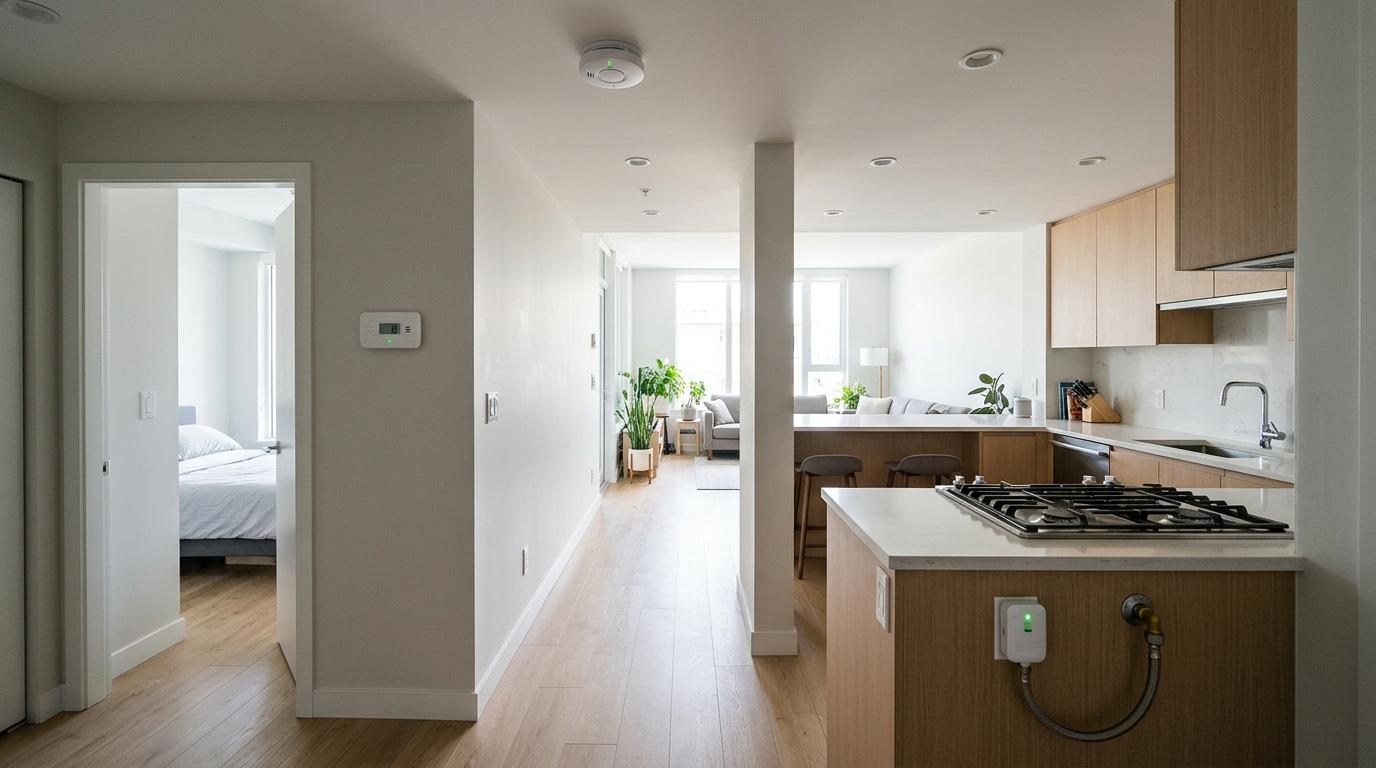
- Smoke alarms near bedrooms, hallways, living areas, and on every floor
- Carbon monoxide alarms near sleeping areas, especially if you use gas, wood, coal, diesel, petrol, kerosene, or any fuel-burning appliance
- Gas leak detectors near the kitchen, LPG cylinder, PNG connection, or gas appliance
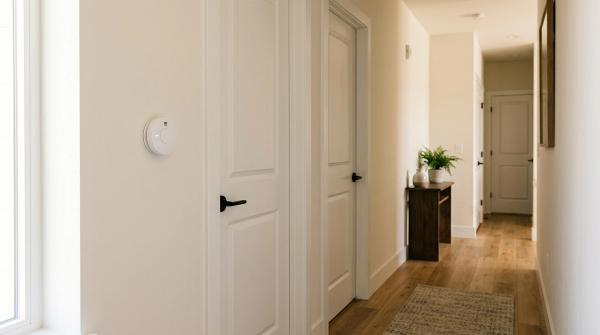
These devices can be confusing because they often look similar. A small white alarm on the wall or ceiling might be called a smoke alarm, fire alarm, CO detector, gas detector, or 2-in-1 safety alarm. But they are not all doing the same job.
The easiest way to understand it is this:
Each alarm gives you an early warning for a different danger.
At allblogs.in, the goal is not to scare you into buying every safety gadget available. The goal is to help you choose the right home safety devices for your actual home, whether you live in a rented flat, a high-rise apartment, an independent house, or a family home with LPG cylinders or piped gas.
Safety disclaimer: This guide is for general information only. If you suspect a fire, carbon monoxide leak, or gas leak, leave the area immediately and call local emergency services, the fire department, your gas provider, or a qualified technician. Do not try to repair gas lines, chimneys, vents, gas appliances, or electrical faults yourself.
Smoke Alarm vs Carbon Monoxide Detector vs Gas Leak Detector: Quick Comparison
#1. What a Smoke Alarm Does
#A smoke alarm for home use detects smoke particles in the air. Its job is to warn you early when a fire starts, before smoke spreads badly through the house.
This matters because fires do not always start with big flames. Sometimes it is a wire overheating behind furniture. Sometimes a candle falls over. Sometimes food catches fire in the kitchen. Sometimes a sofa cushion or curtain starts smoldering quietly before anyone notices.
At night, this becomes even more dangerous because everyone is asleep.
That is why working smoke alarms are considered one of the most basic home safety devices. Consumer safety organisations such as the NFPA and CPSC have long recommended them, and Consumer Reports also notes that properly installed and maintained smoke and carbon monoxide detectors can save lives.
A smoke alarm is useful in or near:
- Bedrooms
- Hallways outside bedrooms
- Living rooms
- Staircases
- Utility rooms
- Larger homes where a fire may start far away from where people sleep
But here is the important part:
A smoke alarm does not detect carbon monoxide.It also does not detect LPG, PNG, or natural gas leaks.
So if you only have a smoke alarm, you have fire warning. You do not automatically have protection from carbon monoxide or gas leaks.
Fire alarm vs smoke detector: what is the difference?
#In everyday conversation, many people say “fire alarm” when they actually mean “smoke alarm.” That is normal.
Technically, a smoke alarm or smoke detector senses smoke and sounds an alert.
A fire alarm system is usually a bigger setup, often found in offices, malls, schools, hospitals, and apartment buildings. It may include control panels, sirens, manual call points, sprinklers, flashing lights, and connected sensors.
For regular home use, what most people are shopping for is a smoke alarm.
2. What a Carbon Monoxide Detector Does
#A carbon monoxide alarm detects CO, a toxic gas that you cannot see, smell, or taste.
That is what makes carbon monoxide so dangerous. You may not realise anything is wrong until symptoms begin. By then, the situation may already be serious.
Carbon monoxide is produced when fuel does not burn completely. That fuel could be gas, wood, coal, petrol, diesel, kerosene, or another combustible material.
Common sources include:
- Gas water heaters
- Boilers
- Fireplaces
- Gas room heaters
- Blocked chimneys or vents
- Vehicle exhaust entering the home
- Poorly maintained fuel-burning appliances
This is where people often confuse a smoke alarm vs carbon monoxide detector. The devices may look similar, and some models combine both functions, but they detect different dangers.
A smoke alarm detects smoke particles.A carbon monoxide detector detects CO gas.
A CO alarm does not detect LPG or PNG leaking from your stove. It also does not detect smoke from a fire unless it is specifically a combination smoke and CO alarm.
For practical home safety, CO alarms are especially important near sleeping areas. Carbon monoxide exposure can happen while people are asleep, so the alarm needs to be close enough and loud enough to wake everyone.
If your home has gas appliances, heaters, boilers, fireplaces, or an attached garage, a CO alarm is worth taking seriously.
Also, remember this: alarms are not a replacement for maintenance. Fuel-burning appliances should be checked by qualified professionals. Do not wait for something to go wrong.
3. What a Gas Leak Detector Does
#A gas leak detector detects unburned combustible gas before it reaches dangerous levels.
This is different from carbon monoxide.
A simple way to remember it is:
- Carbon monoxide is created when fuel has already burned badly or incompletely
- LPG, PNG, or natural gas leaks happen when fuel escapes before it burns
That difference is important.
A carbon monoxide detector will not warn you about a leaking LPG cylinder.A smoke alarm will not warn you about piped gas leaking in the kitchen.
For that, you need a proper LPG gas leak detector or a gas detector designed for the fuel used in your home.
Gas leak detectors are useful in:
- Kitchens with LPG cylinders
- Homes with PNG connections
- Utility rooms with gas appliances
- Apartments where a gas line passes through a small kitchen or service area
- Homes where smell alone may not be reliable, especially at night
Many fuel gases have a strong smell added so that people can notice leaks. But smell alone should not be your entire safety plan.
People may be asleep. Someone may have a cold or blocked nose. Elderly family members may not notice the smell quickly. You may be in another room. Sometimes, the leak simply is not noticed early enough.
A gas leak detector gives you another layer of warning.
4. India-Aware Notes: LPG, PNG, Apartments, and Rentals
#For many Indian homes, this topic is very practical.
LPG cylinders are still common. PNG connections are also becoming more common in cities and apartments. So a gas detector is not some fancy extra gadget. For many families, it belongs on a basic apartment safety checklist.
If you use an LPG cylinder
#LPG is heavier than air. If it leaks, it can settle lower, closer to the floor.
That means an LPG gas leak detector is generally placed lower and near the likely leak source, such as:
- Cylinder
- Regulator
- Pipe
- Stove connection
- Gas valve
But do not guess the placement. Always follow the manual for your exact product.
Do not install it randomly across the kitchen just because there is a plug point there. Placement really matters with gas detectors.
If you use PNG or natural gas
#Natural gas is lighter than air, so it tends to rise.
Detectors for natural gas are usually placed higher, closer to where gas may collect near the ceiling.
Again, follow the manufacturer’s instructions for the model you buy. Different devices can have different placement requirements.
If you live in a rented apartment
#Renters often have a different problem. You may not be allowed to drill into walls, change wiring, or install anything permanent.
In that case, look for options that suit your home, such as battery-powered alarms or plug-in units where appropriate.
But do not compromise on correct placement just to keep the device hidden or neat-looking. A detector in the wrong place may not help when you need it.
Also ask your landlord, housing society, or building maintenance team about:
- Gas line inspection
- Appliance servicing
- Common area fire safety
- Emergency contacts
- Who handles gas or repair complaints
- What to do during a suspected leak
An alarm helps, but maintenance and clear emergency steps matter too.
If you live in a high-rise
#In a high-rise building, evacuation can take longer. That makes early warning even more important.
Make sure your alarms are:
- Loud enough to hear
- Easy to access
- Tested regularly
- Not blocked by furniture or curtains
- Not permanently silenced because of nuisance alarms
If an alarm keeps going off during normal cooking or daily activity, fix the reason. Adjust placement according to the manual or choose a more suitable model. Do not just remove the battery and forget about it.
5. Are Combination Alarms Worth Buying?
#Combination alarms can be useful, but they are not always the best answer for every home.
Smoke and carbon monoxide combination alarms
#A 2-in-1 smoke and CO alarm can be a good choice near bedrooms, hallways, and living areas.
These two functions are commonly combined because both are useful for sleeping-area protection. A combination alarm can reduce wall clutter and make testing easier.
For many homes, a smoke and CO combination alarm is practical.
But remember:
A smoke and CO alarm still does not detect LPG or PNG leaks unless it clearly says it also detects combustible gas.
Carbon monoxide and gas combination detectors
#Some devices combine CO detection and combustible gas detection. These can work in some homes, but placement becomes very important.
CO mixes with air.LPG tends to settle low.Natural gas rises.
So one combined device may not always sit in the best possible position for both risks.
If a combination unit forces you to place the detector in a poor location for one of the hazards, separate devices may be the safer choice.
3-in-1 smoke, CO, and gas detectors
#A 3-in-1 detector sounds convenient. One device, three protections, simple.
But in real life, it is not always that simple.
Smoke usually rises.CO mixes with air.LPG can settle near the floor.Natural gas rises.
So one device in one location may not provide ideal coverage for all three dangers.
For many homes, the better setup is:
- Smoke alarms where smoke detection is needed
- CO alarms near sleeping areas and fuel-burning appliances
- A dedicated gas leak detector placed correctly for LPG or PNG
Simple and correctly placed is usually better than a clever all-in-one device installed in the wrong spot.
6. Room-by-Room Buying Checklist
#Before buying anything, walk through your home and think about the actual risks in each area.
This checklist works for families, renters, apartment residents, and anyone trying to improve home safety without making it complicated.
Bedrooms
#Buy or consider:
- Smoke alarm inside or near bedrooms, depending on your layout and local guidance
- CO alarm nearby, especially if the home has fuel-burning appliances
Why it matters:
People are most vulnerable when they are asleep. The alarm should be loud enough to wake everyone.
Hallway outside bedrooms
#Buy or consider:
- Smoke alarm
- Carbon monoxide alarm
- Or a smoke and CO combination alarm
Why it matters:
This is one of the most useful places for night-time warning.
Kitchen
#Buy or consider:
- Gas leak detector suitable for LPG, PNG, or natural gas, depending on what you use
Be careful with:
- Standard smoke alarms placed too close to cooking fumes or steam
Why it matters:
Kitchens are a common source of cooking fires and gas leaks. But placement needs care. If a smoke alarm keeps going off during normal cooking, people may disable it, and then it cannot protect anyone.
Living room
#Buy or consider:
- Smoke alarm
- CO alarm if you use a fireplace, gas heater, or any fuel-burning appliance nearby
Why it matters:
Electrical devices, candles, charging equipment, extension boards, and heaters can all create fire risk.
Utility room or service area
#Buy or consider:
- CO alarm if there is a boiler, water heater, or fuel-burning appliance
- Gas leak detector if gas pipes, cylinders, or appliances are present
- Smoke alarm if the area has electrical equipment or stored items that could burn
Why it matters:
Utility areas are often ignored, but they may contain the equipment most likely to cause trouble.
Staircase or multi-level home
#Buy or consider:
- Smoke alarms on each level
- Interconnected alarms if your home is large or spread out
Why it matters:
If a fire starts downstairs while you are sleeping upstairs, you still need to hear the warning clearly.
Apartment entrance and common areas
#Check:
- Building fire alarm systems
- Exit routes
- Staircases
- Emergency lighting, if available
- Building maintenance contacts
- Housing society emergency procedures
Why it matters:
Your home alarms protect your unit, but apartment safety also depends on shared systems, working exits, and clear communication.
7. Buying Tips Without Brand Hype
#When comparing home safety devices, do not buy only because a product looks modern, has a big discount, or says “smart” on the box.
Focus on two questions:
- What does it actually detect?
- Where will you install it?
Look for:
- A device made for the exact hazard you want to detect
- Clear installation instructions
- Loud alarm sound
- Battery backup, where needed
- Easy test button
- Clear expiry or replacement date
- Compatibility with your fuel type, especially for gas leak detectors
- Interconnection features if your home is large
Avoid:
- Buying a CO alarm and assuming it detects LPG
- Putting a gas detector in the wrong place
- Installing a smoke alarm so close to cooking steam that you keep disabling it
- Ignoring the product manual
- Treating mobile notifications as a replacement for a loud local alarm
- Buying a 3-in-1 device without thinking about placement
A good alarm in the wrong place can give you false confidence. And false confidence is not safety.
8. What to Do If an Alarm Sounds
#Do not treat an alarm as an annoyance. Treat it as a warning.
If a smoke alarm sounds and you see or smell smoke, leave immediately and call emergency services.
If a carbon monoxide alarm sounds, move everyone to fresh air and call emergency services or a qualified professional. Do not stay inside trying to find the source.
If a gas leak detector sounds, leave the area and call your gas provider, emergency services, or a qualified technician from a safe location.
Do not:
- Switch appliances on or off
- Light matches or candles
- Use lighters
- Try to repair the leak yourself
- Stay inside to investigate slowly
Alarms are not there to help you play detective. They are there to give you time to get out safely.
Final Takeaway
#The simplest way to understand smoke alarm vs carbon monoxide detector vs gas leak detector is this:
They all protect you from different dangers.
A smoke alarm warns you about fire smoke.A carbon monoxide alarm warns you about poisonous CO gas.A gas leak detector warns you about leaking LPG, PNG, natural gas, or similar fuel gas.
For most homes, the practical setup is:
- Smoke alarms for fire warning
- Carbon monoxide alarms for toxic CO warning
- Gas leak detectors for LPG, PNG, or natural gas leaks
Buy the right device, place it correctly, test it regularly, and replace it when the manufacturer says it is time.
Home safety is not about fear. It is about giving you and your family more time to act when something goes wrong.